


Views: 0 Author: Site Editor Publish Time: 2026-07-08 Origin: Site


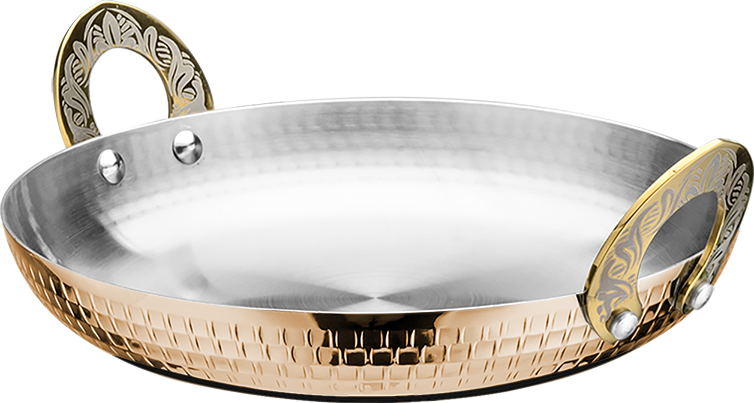
The architectural shift toward tactile, textured surfaces has driven a resurgence in metal wall decor. Moving beyond traditional ceramics, designers now incorporate heavy, textured metals to create striking focal points. Buyers often struggle to balance aesthetic desires with the physical realities of sourcing, maintaining, and securely mounting heavy metal decor. A Hammered Plate presents unique challenges regarding weight distribution, oxidation, and wall integrity that standard ceramic plate guidelines fail to address. You need to know exactly what your drywall can handle before driving the first anchor. This guide provides a technical evaluation of metal plate materials, assesses the viability of various mounting hardware, and outlines evidence-based frameworks for curating, styling, and displaying metal plate walls without compromising structural safety or finish longevity.
Establishing the baseline requirements for integrating metal plates into a space prevents costly structural damage and aesthetic mismatches. Proper planning requires evaluating both the visual impact and the physical constraints of the installation area. You cannot simply hammer a nail into drywall and expect it to hold a five-pound piece of solid brass. The success of your installation depends on a rigorous assessment of the wall material, the traffic flow of the room, and the specific lighting conditions that will interact with the metal finish.
Moving beyond the stereotype of outdated dining room displays requires strategic styling. Modern, rustic, and industrial interiors benefit from the raw texture of hammered metals when arranged thoughtfully. Asymmetrical clusters and vertical column layouts effectively fill awkward corners, narrow entryways, and empty wall gaps where traditional framed art feels forced. When planning a layout, consider the negative space between each piece. Crowding heavy metal objects creates visual clutter, while spacing them too far apart loses the cohesive gallery effect.
Room lighting plays a critical role in how these pieces read in a space. Three-dimensional hammered textures refract natural and artificial light, eliminating harsh glare while creating dynamic shadows throughout the day. A flat ceramic plate reflects light uniformly, but a hammered surface scatters it. Position your installation adjacent to a natural light source, like a large window, to maximize the depth of the hammer marks. Matching metal types to interior design frameworks ensures cohesion. Copper anchors rustic or farmhouse settings, stainless steel complements industrial environments, and brass bridges the gap in transitional spaces.
Mixing oversized hammered platters with smaller accent plates creates visual depth and layers. However, this variation in scale directly impacts installation requirements. Assessing wall load-bearing capacity is mandatory. Drywall, plaster, and masonry each demand specific anchoring techniques to support heavy metal decor. A standard half-inch drywall sheet can hold significant weight if the load is distributed correctly, but a concentrated point load from a heavy platter will cause the gypsum to crumble.
Understanding the primary metals used in hammered plates allows for informed decisions regarding longevity, maintenance, and structural requirements. Not all metals behave the same way when suspended vertically. Their density, reactivity to ambient moisture, and surface hardness dictate how you must handle and mount them.
Copper delivers high warmth and features a highly malleable texture that showcases deep hammer marks. Because it is a relatively soft metal, the hammering process leaves distinct, sharp facets that catch the light beautifully. However, copper carries significant weight, requiring robust mounting solutions. A standard 12-inch solid copper platter can weigh upwards of three to four pounds. Copper is prone to rapid verdigris when exposed to moisture. It requires regular polishing to maintain its bright finish or a permanent lacquer seal to halt the oxidation process. If you live in a coastal environment or plan to hang the plate in a bathroom, unsealed copper will turn green within a matter of months.
Brass and bronze offer high durability with classic gold and brown tones. They possess a moderate-to-heavy weight profile, often exceeding the weight of copper depending on the casting or stamping thickness. While they exhibit a slower tarnish rate than copper and are highly resistant to structural degradation, they remain susceptible to fingerprint oils. Sebum from human skin contains mild acids that can permanently etch the finish if left uncleaned. Handling these plates with clean cotton gloves during the installation process is highly recommended to prevent dark, oxidized thumbprints from appearing weeks later.
Stainless steel and aluminum provide a modern aesthetic with high corrosion resistance. Aluminum serves as a lightweight alternative to steel, making it ideal for large-scale plate walls on fragile drywall due to its low mass. You can often hang a large aluminum plate using standard drywall anchors without fear of structural failure. Stainless steel offers unmatched durability, particularly for outdoor installations where exposure to the elements degrades softer metals. Steel is incredibly dense, meaning even a thin plate will require heavy-duty toggle bolts if a wall stud is unavailable.
| Material | Average Weight (12-inch plate) | Corrosion Resistance | Recommended Wall Anchor | Ideal Application |
|---|---|---|---|---|
| Copper | 3.5 lbs | Low (Develops Patina) | Toggle Bolt / Stud Mount | Rustic interiors, structural walls |
| Brass/Bronze | 4.0 lbs | Medium | Toggle Bolt / Stud Mount | Transitional spaces, living rooms |
| Aluminum | 1.2 lbs | High | Self-Drilling Drywall Anchor | Fragile drywall, large gallery walls |
| Stainless Steel | 4.5 lbs | Very High | Heavy-Duty Toggle Bolt | Outdoor installations, industrial spaces |
Standard ceramic mounting advice fails when applied to metal decor. Assessing the efficacy and safety of mounting hardware specifically designed for metal plates prevents catastrophic wall failure and property damage. You cannot rely on friction or weak adhesives to hold a heavy piece of steel or brass against a vertical surface.
Heavy-duty traditional spring-wire hangers remain the safest choice for larger, high-value metal platters. They mechanically grip the rim, providing a secure hold independent of surface texture. The tension springs pull the wire hooks tightly against the edges of the plate, locking it into place. Vinyl-coated tips are necessary to prevent metal-on-metal scratching and galvanic corrosion between the hanger and the plate. Bare steel wire digging into a soft copper rim will cause permanent gouging and accelerate localized rust.
Standard water-activated adhesive discs often fail on hammered metal. The uneven, non-porous backs of these plates prevent the adhesive from forming a secure, flat bond. Adhesive discs rely on the microscopic pores found in ceramic and porcelain to create a mechanical grip. Metal lacks these pores. Furthermore, the hammered divots create air pockets beneath the adhesive pad, leading to inevitable detachment under the metal's weight. Never use adhesive discs on metal plates.
Viral social media hacks often suggest using hot glue, felt, and twine to hang plates. This method presents severe risks for metal decor. The thermal expansion and contraction of metal, combined with a lack of surface porosity, make hot glue a high-risk, catastrophic failure point. As the ambient temperature in your home fluctuates, the metal plate expands and contracts slightly. Hot glue is rigid and cannot accommodate this movement. The glue will eventually shear off the smooth metal surface, causing the heavy plate to fall, potentially damaging furniture or injuring someone below.
Selecting the correct wall anchor depends entirely on the plate's weight and the wall material. Toggle bolts provide the highest pull-out strength for drywall and should be used for heavy copper or steel platters. A standard 1/8-inch toggle bolt can hold up to 50 pounds in half-inch drywall. Self-drilling drywall anchors suffice for lighter aluminum plates, typically holding up to 40 pounds in shear weight, but significantly less in pull-out strength.
Securing plates in high-traffic areas or earthquake-prone zones requires vibration mitigation. Foot traffic, closing doors, and structural settling send vibrations through the wall framing. Over time, these vibrations cause the metal plate to rub against the drywall, grinding away the paint and gypsum. Adding small, self-adhesive rubber bumpers to the back of the plate prevents wall-chafing, keeps the metal from rattling, and provides a slight standoff that enhances the shadow line around the decor.
Procuring metal plates involves navigating trade-offs between authenticity, maintenance, and structural predictability. Your sourcing strategy will dictate the amount of prep work required before installation.
Vintage plates offer higher authenticity and unique patinas. The hand-hammered marks on antique pieces show distinct variations in depth and spacing, reflecting the artisan's technique. However, they come with unpredictable weights and the potential presence of toxic elements, such as lead solder in antique joints or rims. Mass-manufactured reproductions provide standardized weights, predictable mounting requirements, and are often pre-sealed with modern clear coats. The trade-off is a lack of historical character and the shallower depth of machine-stamped hammering, which often looks uniform and repetitive.
Evaluating second-hand or thrifted hammered plates requires inspecting for structural integrity. Detect deep structural warping, rim cracks, or metal fatigue before attempting to hang them. A plate that has been dropped may have a bent rim that prevents a spring-wire hanger from gripping securely. Deciding whether to refurbish or preserve involves knowing when to clean away active corrosion versus when to preserve a valuable, stable vintage patina. Active rust (red oxide on steel) or powdery green verdigris on copper must be neutralized and removed to prevent the metal from deteriorating further. A dark, stable brown oxidation on brass, however, is often desirable and should be left intact.
Outdoor installations, such as patio and garden walls, require specific material choices. Stainless steel and aluminum perform best in exterior environments. The primary trade-off involves allowing natural weathering to create a rust or patina finish versus committing to the ongoing maintenance of applying UV-resistant, marine-grade clear coats to preserve the original shine. If you choose to let a copper plate weather naturally outdoors, be aware that the green runoff from rain can stain the siding or masonry directly below the installation.
Long-term care prevents hazard development and finish degradation. Proper maintenance protocols extend the life of the installation and keep the metal looking intentional rather than neglected.
Mixing dissimilar metals in humid environments triggers galvanic corrosion. This electrochemical process occurs when two different metals are in physical contact in the presence of an electrolyte, such as ambient humidity or condensation. For example, steel mounting hardware directly touching a copper plate will cause rapid degradation at the contact points, weakening the rim of the plate. Mitigate this risk by using rubber gaskets, felt pads, or vinyl-coated wires as isolators between the mounting hardware and the plate. Always inspect the tips of your wire hangers; if the vinyl coating has worn through, replace the hanger immediately.
Dust and airborne grease accumulate quickly in hammered divots. The textured surface acts as a trap for particulate matter, which can dull the finish over time. Avoid abrasive pads, stiff-bristled brushes, or harsh chemical solvents that destroy factory sealants and scratch the metal.
A: Use heavy-duty, spring-wire plate hangers with vinyl-coated tips. Anchor the hanger to the drywall using toggle bolts rather than standard nails or plastic plugs to ensure maximum pull-out strength and support the metal's weight.
A: Avoid rigid, symmetrical grid patterns. Use asymmetrical clusters, mix different scales of plates, and incorporate metals like stainless steel or aluminum to create a modern, textured focal point that complements contemporary or industrial interiors.
A: No. Metal is non-porous and undergoes thermal expansion and contraction. Hot glue will eventually lose its bond and shear off the metal surface, resulting in the heavy plate falling and potentially causing damage or injury.
A: Yes, unless you use stainless steel or aluminum. Copper and brass will develop a patina or tarnish when exposed to the elements. To prevent this, apply a UV-resistant, marine-grade clear coat sealant before outdoor installation.
A: Adhesive discs are highly discouraged for hammered metal. The uneven, textured surface prevents the adhesive from making full contact, leading to a weak bond that will fail under the weight of the metal.
A: Use compressed air to blow out loose dust from the divots. Follow up by gently wiping the surface with a soft microfiber cloth and a pH-neutral cleaner. Never use abrasive sponges, as they will strip protective sealants and scratch the metal.