


Views: 0 Author: Site Editor Publish Time: 2026-07-07 Origin: Site


The shift in 2026 interior and hospitality design moves heavily toward tactile, high-texture tablescapes. We are stepping away from flat, minimalist ceramics and embracing surfaces that offer physical feedback. A Hammered Plate delivers this exact aesthetic impact, catching light and adding immediate depth to any dining setting or architectural display.
Buyers face a constant tension between aesthetic desire and operational reality. Durability, maintenance protocols, food safety compliance, and warewashing compatibility dictate purchasing decisions. A plate that looks stunning on a shelf may fail under the stress of commercial cutlery or acidic ingredients.
This technical evaluation framework helps procurement officers and high-end residential consumers select the correct hammered plate material and style based on objective performance metrics. We evaluate structural integrity, chemical reactivity, and long-term maintenance requirements to ensure your selection meets daily operational demands.
Before evaluating specific styles, you must establish baseline requirements. High-volume commercial needs contrast sharply with residential use. Understanding these parameters prevents costly procurement mistakes and ensures the selected tableware performs under expected conditions.
Commercial warewashing environments subject plates to extreme conditions. High heat, harsh chemical sanitizers, and rapid temperature changes degrade inferior materials quickly. Hospitality settings require plates that withstand 180-degree Fahrenheit rinse cycles and quaternary ammonium sanitizers daily without losing their finish. You must account for the physical impact of bussing tubs and rapid stacking by kitchen staff. A standard commercial operation might accept a 10% annual replacement rate for high-end items, but the core inventory must survive thousands of wash cycles.
Residential dishwashers operate at lower temperatures with milder detergents. However, durability remains a primary concern. Residential users expect pieces to last decades. The focus shifts from surviving industrial sanitizers to resisting everyday drops, utensil scratches, and the occasional hard water buildup. You must define acceptable replacement cycles and breakage rates based on your specific environment before selecting a material.
A single hammered plate collection can transition seamlessly from casual daily family dining to formal high-end entertaining if selected correctly. You need to evaluate the weight and stackability of the plates. Heavy, unstackable plates frustrate daily users and consume excessive cabinet space. A standard dinner plate should weigh between 1.5 and 2 pounds. Anything heavier becomes cumbersome during service and clearing.
Style neutrality also permits multi-use functionality. A moderately textured plate in a muted metallic or ceramic finish adapts easily to different table linens and centerpieces. This versatility bridges the gap between Tuesday night dinners and holiday feasts. You should look for rim designs that allow for secure gripping while maximizing the usable plating surface area.
The science of metal reactivity is a strict filter for tableware selection. Tomatoes, citrus, and vinegar react aggressively with unlined copper or brass. This reaction leaches heavy metals into the food, altering taste and presenting severe toxicity risks. You cannot serve acidic foods on bare reactive metals.
You must outline FDA or local health code compliance requirements for food-contact surfaces. Any metal plate intended for direct food contact must feature a non-reactive lining. Manufacturers typically use tin or stainless steel for this purpose. Tin requires periodic re-tinning if scratched, while stainless steel offers a permanent, durable barrier. Always verify the lining material and its thickness before approving a purchase for food service.
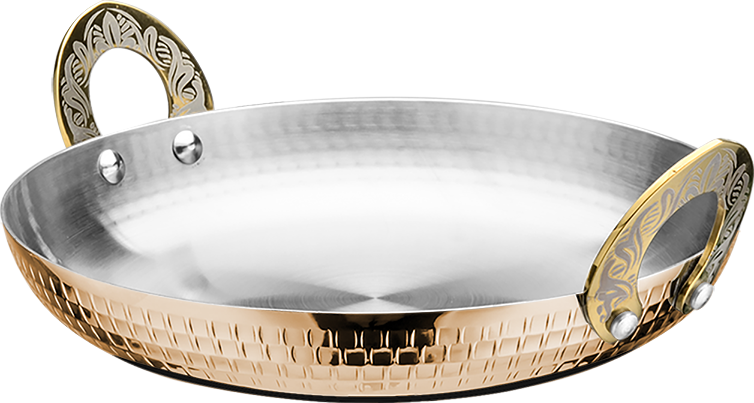
Specific materials dominate the 2026 market. We evaluate the structural pros and cons of each category to match them with your operational needs. The right material choice prevents premature wear and reduces ongoing maintenance labor.
Authentic copper and brass offer superior thermal retention and a satisfying, authentic weight. They possess natural antimicrobial properties and deliver an unmatched, warm aesthetic that elevates high-end dining rooms. The physical hammering process hardens the metal, adding structural rigidity to the plate.
However, these metals have high reactivity. They require a food-safe lining of tin or stainless steel for dining use. Furthermore, they demand manual polishing to maintain their shine. Exposure to oxygen and handling causes rapid oxidation. You must dedicate specific labor hours to applying polishing compounds and buffing the surfaces, adding significant operational overhead.
Stainless steel provides a highly durable, non-reactive surface. It is dishwasher safe and highly resistant to tarnishing, making it ideal for high-volume environments. 18/10 stainless steel offers excellent corrosion resistance due to its nickel content. Physical vapor deposition (PVD) coatings can apply brass or copper tones to stainless steel, mimicking the look of reactive metals without the maintenance.
The drawback is that stainless steel can look overly industrial if not finished correctly. It is also susceptible to visible scratching over time. When subjected to heavy use with serrated cutlery, the raised hammered peaks show bright scratch lines. You must balance the operational ease against the gradual degradation of the surface finish.
Glass and acrylic options excel at light refraction, adding elegance through layering. Acrylic is excellent for outdoor dining and poolside service where broken glass presents a safety hazard. Glass elevates formal settings and offers a completely non-reactive surface suitable for any food type. Tempered glass provides moderate resistance to thermal shock and physical impact.
Fragility remains the primary issue with glass. Even tempered variants will chip at the edges if mishandled during bussing. Acrylic, while shatterproof, is susceptible to clouding in hard water environments. Washing acrylic with abrasive chemicals or scouring pads permanently scratches the surface, dulling the light refraction that makes the hammered texture appealing.
Ceramic and porcelain offer maximum durability. Fully vitrified porcelain is non-porous, microwave safe, and commercial dishwasher safe. It presents the lowest maintenance overhead for high-volume operations. The hard glaze resists cutlery scratches far better than most metals or acrylics.
The main compromise is aesthetic. Faux-hammered ceramics lack the authentic metallic sheen and weight. The texture is molded rather than physically struck. Discerning guests may notice the uniform repetition of the hammered pattern, which lacks the organic variation of hand-struck metal. However, for operations prioritizing turnaround time and minimal maintenance, porcelain remains the most practical choice.
Understanding how these plates fit into broader 2026 design movements helps maximize their visual impact. You must integrate textured tableware deliberately to avoid overwhelming the dining space or architectural display.
The rising trend of using hammered metal plates for wall decor requires different considerations than dining ware. Plates selected for architectural display do not need food-safe linings, but they do require specific mounting hardware and tarnish-resistant finishes.
Weight considerations are paramount. A solid copper charger can weigh over three pounds. Structural mounting hardware compatibility matters immensely. You must choose between spring-style hangers, which grip the rim, or heavy-duty adhesive discs based on the plate's mass. For heavy plates, installers must use drywall toggles or anchor directly into studs. Selecting clear-coated or PVD-finished plates for permanent vertical display eliminates the need to dismount them for polishing. Visual layouts for a textured plate wall range from asymmetrical organic clusters to strict geometric grids, depending on the room's architectural lines.
Modern styling relies on balancing bold, highly-textured hammered plates with smooth, matte-glazed stoneware. This prevents visual monotony and provides distinct tactile feedback. You should not use hammered textures for every piece of tableware in a single setting.
Rules for visual scale apply here. Using a large 13-inch hammered plate as a charger beneath minimalist, satin-finish 10.5-inch ceramic dinnerware creates a grounded, sophisticated look. The contrast between the rough metal and smooth ceramic defines the 2026 aesthetic. The charger frames the main course, catching ambient light while keeping the active eating surface smooth and quiet.
A hammered plate functions differently depending on the overall table design. In a minimalist setting, it serves as a singular statement charger. It draws the eye and provides the only necessary texture against bare wood tables or simple linen runners. The negative space around the plate amplifies its visual impact.
In a maximalist tablescape, the plate acts as a layering piece. It competes and harmonizes with patterned linens, colored glassware, and elaborate centerpieces. The hammered texture adds depth to a visually dense environment, reflecting the colors of surrounding objects and contributing to a rich, layered aesthetic.
You must assess potential purchases through specific operational lenses. These dimensions dictate long-term satisfaction and determine whether a product will survive your specific use case.
Map material types to their required cleaning protocols. Hand-wash only items belong in low-volume or residential settings. Commercial dishwasher safe items fit high-volume needs. You must also consider the impact of hard water deposits. Minerals settle into the hammered divots, requiring specialized descaling agents to prevent a cloudy appearance.
| Material Type | Warewashing Compatibility | Chemical Resistance | Maintenance Labor |
|---|---|---|---|
| Authentic Copper | Hand-wash only | Low (Reacts to acids/alkalis) | High (Requires manual polishing) |
| Stainless Steel | Commercial Dishwasher Safe | High (Resists most sanitizers) | Low (Wipe dry to prevent spots) |
| Hammered Glass | Commercial Dishwasher Safe | High (Non-reactive) | Medium (Requires glass racks) |
| Vitrified Porcelain | Commercial Dishwasher Safe | Very High (Impervious) | Very Low (Standard processing) |
Analyze the friction between serrated knives and raised hammered textures. The raised peaks of the hammered finish bear the brunt of cutlery impact, accelerating wear. When a steak knife drags across a hammered metal surface, it concentrates the force on the high points, stripping away linings or polishing.
Compare hardness scales. Stainless steel cutlery will easily scratch a softer copper or brass plate surface. Matching the hardness of the plate to the intended cutlery minimizes visible damage. If you serve heavily crusted meats requiring aggressive cutting, you must use porcelain or heavy-gauge stainless steel plates to withstand the mechanical stress.
Evaluate the auditory impact of cutlery striking different materials. Metal yields a sharp resonance, porcelain gives a damp click, and glass provides a muted contact sound. High-end dining often prefers quieter acoustics to maintain a relaxed atmosphere. Heavy hammering on metal plates amplifies the noise of forks and knives.
Assess the tactile comfort of eating off a textured surface. Deeply hammered plates can make cutting food difficult. The knife blade skips over the divots, and forks scrape unpleasantly against the ridges. Reserve deeply textured plates for use as chargers or for serving finger foods where utensils are unnecessary.
Evaluate how metal and glass hammered plates hold heat or cold. This impacts food service quality directly. You must ensure the plate maintains the food's temperature from the pass to the table.
Metal plates excel at thermal retention. Chilling them for salads keeps greens crisp, while heating them for steaks ensures the meat remains warm throughout the meal. Glass offers moderate thermal retention but risks thermal shock if temperature changes are too rapid. Do not place cold glass plates directly under high-wattage heat lamps, as they will shatter.
Break down the long-term operational impact beyond the initial purchase price. Long-term viability depends on understanding hidden expenses and replacement cycles.
Compare the high upfront cost of artisan copper against the frequent replacement cost of chipped glass or scratched acrylic. Artisan pieces require a larger initial budget but may last generations if properly maintained. You must calculate the expected lifespan in your specific environment.
Cheaper materials lower the barrier to entry but increase the frequency of reordering. If you lose 20% of your acrylic plates annually to scratching and clouding, the low initial price becomes a recurring operational drain. Establish strict par levels and track breakage to understand the true lifecycle of your tableware.
Calculate the labor hours required for polishing metal plates in a commercial setting. If a staff member spends four hours a week polishing copper chargers, that labor cost quickly exceeds the initial purchase price of the plates.
Factor in the cost of specialized non-abrasive cleaning agents. Standard commercial detergents will ruin certain metallic finishes, necessitating separate chemical procurement. You must train staff to separate these items during bussing to ensure they receive the correct chemical treatment.
Highlight what goes wrong after purchase and how to prevent it. Proactive management extends the life of your investment and maintains the aesthetic standard.
Explain how to intentionally manage patina for an aged look versus preventing it for a high-shine finish. Consistent polishing maintains shine, while controlled exposure allows a natural patina to develop. If you want a uniform patina, you must ensure all plates receive equal exposure to air and handling.
Detail the risk of verdigris, or green rust, on copper. This is toxic and must be safely removed before the plate contacts food or guests. Use acidic natural cleaners like lemon and salt to strip verdigris, then wash thoroughly with mild soap and dry completely.
Implement strategies for protecting the hammered finish during storage and handling.
The optimal hammered plate style for 2026 depends entirely on your required ratio of durability to aesthetic authenticity. High-volume environments demand different materials than display-focused residential settings. You must align the material properties with your operational capabilities.
A: Unlined copper is not food safe for acidic ingredients like tomatoes or citrus, as it leaches heavy metals. Copper plates intended for direct food contact must feature a durable lining of tin or stainless steel to comply with health regulations.
A: Stainless steel hammered plates are generally commercial dishwasher safe. However, authentic copper and brass plates require hand-washing. The harsh chemicals and high heat of dishwashers will strip their finish and accelerate oxidation.
A: Yes, the raised textures of a hammered finish interact aggressively with serrated edges. The peaks bear the brunt of the friction. We recommend pairing softer metal plates with non-serrated cutlery or using them primarily as decorative chargers.
A: Yes, mixing a highly textured hammered charger with smooth, matte-glazed stoneware is a defining 2026 design standard. This approach prevents visual monotony, adds depth to the tablescape, and keeps the active eating surface smooth.
A: Use heavy-duty spring-style hangers rated for the specific weight of the plate. You must ensure wall anchors are installed directly into studs or use high-capacity drywall toggles to prevent the weight from tearing through the drywall.