


Views: 0 Author: Site Editor Publish Time: 2026-07-06 Origin: Site


A Hammered Plate is a specialized metal product where mechanical or manual striking creates a dimpled, textured surface. This manufacturing technique offers a unique intersection of aesthetic appeal and enhanced structural rigidity. Specifying textured metals requires a strict understanding of material behavior under impact and load. Improper specification carries heavy risks. Selecting the wrong gauge, metal alloy, or texture depth often leads to premature wear, installation failures, cleaning difficulties, or severe budget overruns in both architectural and manufacturing applications.
This guide provides a technical evaluation framework to help architects, fabricators, and artisans select the correct textured metal. We evaluate material properties, fabrication methods, and specific end-use requirements. By understanding the mechanics of metal displacement and work hardening, you can match the exact physical characteristics of the plate to the demands of your project environment.
Surface texturing relies on the physical displacement of metal through localized impact. When a hardened tool strikes a softer metal surface, the kinetic energy forces the material to compress and flow outward from the impact zone. This creates a distinct dimple or facet. Manufacturers control the final visual and structural outcome by manipulating three primary variables: dimple size, depth, and pattern density.
Shallow, widely spaced impacts create a subtle ripple effect that gently distorts reflections. Deep, tightly packed strikes generate a highly faceted surface that scatters light aggressively and maximizes surface rigidity. The shape of the striking tool directly dictates the dimple profile. A ball-peen hammer creates round, smooth depressions, while a cross-peen hammer leaves linear, directional marks. Understanding these mechanics allows fabricators to predict how the metal will behave during secondary operations like bending or shearing.
Traditional hand-hammering relies on skilled artisans using specialized hammers to peen the metal surface manually. This method produces variable, organic patterns highly valued in custom fabrication. However, manual peening requires significant time and labor, making it impractical for large-scale architectural runs. The artisan must constantly adjust their striking force to maintain a visually consistent texture across the sheet.
Automated rolling mills and hydraulic presses deliver consistent, scalable, and cost-effective texturing. These machines utilize hardened steel texture plates or patterned rollers to press the hammered design into softer sheet metals. This transfer method allows fabricators to replicate complex textures rapidly without striking the final piece directly.
| Method | Equipment Used | Production Volume | Pattern Consistency | Primary Application |
|---|---|---|---|---|
| Manual Peening | Ball-peen, cross-peen hammers | Low | Variable / Organic | Custom artisan work, jewelry |
| Rolling Mill | Patterned rollers, texture plates | High | Exact replication | Architectural sheets, mass production |
| Hydraulic Press | Hardened steel dies | Medium to High | Exact replication | Deep-draw textures, heavy gauge plates |
The hammering process fundamentally alters the metallurgical properties of the plate. Each impact compresses the metal's crystalline grain structure, inducing a phenomenon known as work hardening. As the grains deform, elongate, and interlock, the metal yields higher surface hardness and tensile strength.
This texturing increases the overall rigidity and dent resistance of the metal sheet. Because the hammered profile acts like a series of micro-corrugations, the plate resists deflection better than a flat sheet of the same gauge. Fabricators leverage this structural advantage to specify thinner gauges for wall panels or cladding, reducing overall material weight without sacrificing structural integrity. However, excessive work hardening makes the metal brittle, requiring periodic annealing (heating and cooling) during deep manual hammering to restore ductility.
Hammered panels serve as durable, visually striking elements in building façades, elevator cabs, entryways, and backsplashes. The textured surface diffuses light, which helps hide fingerprints, smudges, and minor surface abrasions common in high-traffic commercial environments. Architects specify these plates to break up large, monotonous flat spaces while maintaining a robust, impact-resistant barrier against daily wear and tear.
In elevator cab interiors, 18-gauge hammered stainless steel is a standard specification. The dimpled surface prevents vandalism like key scratches from remaining visible. For exterior façades, large-scale machine-hammered panels reflect sunlight dynamically, changing appearance throughout the day while resisting wind loads better than flat cladding.
In jewelry fabrication, hammered texture plates and shot plates function as essential tooling. Artisans use a hammer or rolling mill to press softer metals against a hardened steel plate, transferring intricate designs onto the workpiece. Shot plates feature recessed cavities used to form solid, three-dimensional decorative elements from melted precious metal scraps.
The hospitality sector utilizes hammered dinner plates, charger plates, and serving trays to elevate culinary presentation. The market supports both handmade, custom artisan pieces and mass-produced hammered tableware. Beyond aesthetics, the hammered texture provides a practical benefit: the irregular surface effectively masks knife scratches and general wear over time.
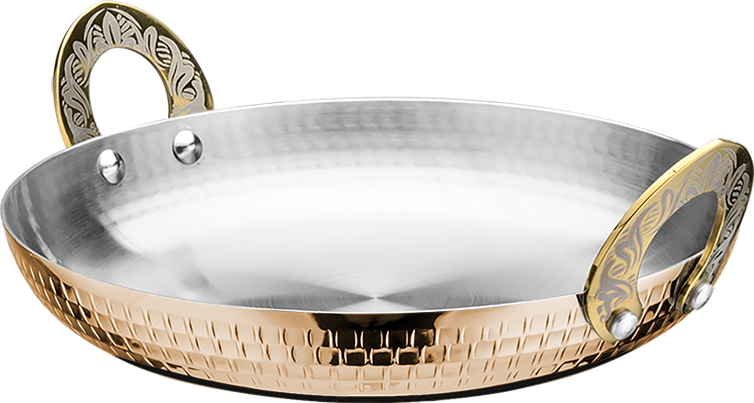
Flat stainless steel serving trays show scuffs and water spots immediately. A hammered tray conceals these imperfections, extending the usable lifespan of the tableware in demanding dining environments. Heavy-gauge hammered copper is also used for premium cookware, where the dimpled surface increases the surface area for heat distribution.
Stainless steel delivers exceptional tensile strength, extreme corrosion resistance, and low maintenance requirements. The hammering process further enhances its natural rigidity. Grade 304 is standard for interior applications, while Grade 316 provides superior pitting resistance for exterior or marine environments. This material excels in exterior architectural façades, commercial kitchens, and high-traffic public installations where durability and sanitation are paramount.
Copper and brass offer high malleability, making them ideal for deep, intricate hammering. Both metals possess natural antimicrobial characteristics and develop a dynamic living finish, or patina, over time. They are best suited for high-end interior design projects, artisan tooling, and decorative accents where evolving aesthetics are desired. Fabricators must account for the rapid work-hardening rate of brass, which requires frequent annealing during manual shaping.
Aluminum provides a lightweight, highly formable, and naturally rust-proof alternative to heavier metals. It responds well to both manual and machine hammering. Alloys like 3003 and 5052 are commonly used for their excellent workability. Fabricators specify aluminum for weight-restricted architectural applications, suspended ceiling panels, and decorative cladding where structural load limits are a strict concern.
Hardened tool steel features extreme hardness and wear resistance, enabling it to withstand repetitive, high-force impacts without deforming. Alloys like A2, O1, or D2 are heat-treated to achieve high Rockwell hardness ratings. This material is strictly used to manufacture texture plates, shot plates, and stamping dies. Its primary function is to serve as the master mold for rolling or pressing patterns into softer production metals.
The specification process begins by defining the primary function of the plate. You must determine if the application is purely decorative, acting as a protective structural barrier, or serving as a manufacturing tool. Decorative applications prioritize finish and pattern consistency. Structural uses demand specific tensile strength, impact resistance, and secure fastening methods.
Evaluating physical features ensures the selected plate meets operational demands. Metal thickness directly correlates to impact resistance and structural integrity. Thicker plates resist deflection under load. Texture depth dictates light reflection and maintenance requirements. Deep dimples scatter light aggressively and increase rigidity but complicate cleaning. Shallow textures are easier to sanitize. Finish types—such as raw, polished, brushed, or clear-coated—dictate the maintenance schedule and long-term visual stability of the installation.
| Gauge Range | Thickness (Approx.) | Best Applications | Structural Rigidity |
|---|---|---|---|
| 22 - 24 Gauge | 0.025" - 0.030" | Light decorative trim, jewelry components | Low (Requires solid backing) |
| 18 - 20 Gauge | 0.036" - 0.048" | Elevator cabs, wall panels, backsplashes | Medium (Standard architectural) |
| 14 - 16 Gauge | 0.060" - 0.075" | Exterior cladding, heavy-duty countertops | High (Self-supporting) |
Selecting the pattern transfer method depends on production volume, material thickness, and desired detail crispness. Manual hammer transfer suits low-volume, custom artisan work where organic variation is desired. Hydraulic presses provide the immense, even pressure required for deep textures on thick gauges, ensuring crisp pattern transfer. Rolling mills offer rapid, continuous texturing for long sheets and high-volume production runs, making them the standard for architectural panel manufacturing.
Procurement logistics vary significantly between custom artisan runs and mass-produced sheets. Custom orders require longer lead times and higher initial capital for tooling setup. Mass-produced sheets offer immediate availability but limit design flexibility. For commercial applications, you must verify that the selected materials and finishes comply with local building codes, fire ratings, and sanitary standards (such as NSF certification for food zones).
Mismatched material hardness between the striking hammer and the texture plate causes premature tool deformation, chipping, or pattern degradation. Striking a hardened steel plate with a hardened steel hammer risks shattering the tool faces and sending dangerous shrapnel into the workspace. To mitigate this risk, match the Rockwell hardness of the hammer head to the texture plate material. Use brass, copper, or dead-blow hammers for striking softer plates, and reserve hardened steel hammers strictly for striking durable steel dies under controlled conditions.
Deep hammered textures trap dirt, grease, or corrosive agents, complicating routine maintenance. In environments requiring strict hygiene, such as commercial kitchens or hospitals, deep dimples become bacterial harbor points. Specify shallower textures that allow wiping without snagging. Establish specialized cleaning protocols using non-abrasive solvents and soft-bristle brushes to dislodge debris from the dimples without scratching the finish. Never use steel wool on hammered stainless steel, as it embeds iron particles that cause rust.
Uneven hammered surfaces create difficulties when matching texture patterns at seams, fastening, or welding. Flat-head screws will not sit flush on a dimpled surface, and welding across a hammered seam distorts the pattern. To ensure a seamless appearance, follow a strict installation sequence.
Underestimating the premium cost of machine-hammered architectural metals or high-carbon steel texture plates often leads to budget overruns. Custom patterns require expensive die creation. Mitigate this by conducting thorough lifecycle analyses comparing hammered plates to flat sheets with applied finishes. Factor in the reduced maintenance and replacement frequency of work-hardened textured metals against their higher initial procurement costs. Standardizing panel sizes reduces waste and lowers fabrication expenses.
The true value of a hammered plate lies in its dual ability to provide structural rigidity and long-lasting aesthetic appeal. Achieving these benefits requires selecting the correct material, gauge, and manufacturing method tailored to the specific application. Proper specification prevents premature failure and ensures the installation meets both visual and operational standards.
When shortlisting materials, prioritize stainless steel for demanding architectural and sanitary environments. Select copper or brass for dynamic, high-end aesthetic applications, and rely on hardened tool steel when sourcing texture plates for manufacturing. Aligning the metal's inherent properties with the project's demands is critical for success.
To move forward with your project, follow these actionable steps:
A: Architectural hammered plates typically range from 16-gauge to 22-gauge, depending on the application. Elevator cabs and wall panels often use 18-gauge or 20-gauge stainless steel to balance weight, impact resistance, and ease of installation.
A: No, the hammering process generally strengthens the metal through work hardening. The localized impacts compress the grain structure, increasing the surface hardness, rigidity, and dent resistance of the plate compared to a flat sheet of the same gauge.
A: Clean hammered surfaces using warm water, mild non-abrasive detergents, and soft microfiber cloths or soft-bristle brushes. Avoid harsh abrasives or steel wool, which can scratch the finish. Wipe in the direction of any underlying grain to prevent residue buildup in the dimples.
A: Yes, hammered plates are excellent for exterior cladding. Stainless steel and aluminum are preferred for outdoor use due to their high corrosion resistance. The textured surface helps hide environmental wear, dust accumulation, and minor impact damage.
A: A hammered plate is the final product featuring a dimpled surface created by impact. A stamped texture plate is a hardened steel tool used in manufacturing to press or roll a specific pattern onto softer sheet metals during mass production.
A: In jewelry making, a hardened steel texture plate is sandwiched with a softer piece of annealed metal. The stack is passed through a rolling mill, which applies immense pressure, transferring the plate's pattern onto the softer metal.