


Views: 0 Author: Site Editor Publish Time: 2026-06-26 Origin: Site


Hosting large gatherings exposes the functional limits of standard tableware. The friction of maintaining food temperature, preventing breakage, and ensuring a cohesive aesthetic often complicates event execution. Traditional ceramics are prone to chipping under high-volume use. Glass poses shatter risks, and silver requires intensive polishing. Hosts need a solution that balances presentation elegance with commercial-grade durability and long-term value.
High-quality Stainless Steel Serveware bridges the gap between aesthetic appeal and rigorous functionality. This material handles temperature extremes seamlessly while resisting physical damage. This guide provides a technical evaluation framework for selecting the right sets based on material grade, finish, set configuration, and hosting requirements. You will learn exactly how to build a versatile, long-lasting collection that scales from intimate dinners to massive holiday events.
Stainless steel possesses excellent thermal conductivity. It absorbs and holds ambient temperatures efficiently. You can place steel platters in the freezer before serving a raw bar or charcuterie. The metal stays cold for hours, keeping delicate foods fresh. Conversely, you can warm steel bowls in a low oven. They will hold heat effectively, keeping side dishes and hot appetizers at food-safe temperatures far longer than standard porcelain. When serving a large crowd, maintaining the correct temperature is a matter of food safety and guest experience. A pre-chilled metal tray prevents shrimp cocktail from spoiling during a summer afternoon event. A warmed metal bowl keeps mashed potatoes steaming throughout a long Thanksgiving dinner service.
The tensile strength of steel vastly outperforms fragile alternatives. Porcelain, stoneware, and glass easily chip or shatter upon impact. Dropping a ceramic platter ruins the dish and creates a dangerous mess. Steel simply dents or bounces. This structural integrity eliminates replacement costs. It provides a massive long-term return on investment for frequent hosts who organize both indoor and outdoor events. When you transport heavy loads of food from the kitchen to the dining area, the risk of dropping a dish increases. Steel gives you peace of mind. You never have to worry about a guest accidentally knocking a bowl off a patio table and sending glass shards into the grass.
High-grade steel alloys resist chemical reactions. You can safely serve highly acidic foods like tomatoes, citrus dressings, and marinades. Lower-quality metals might leach a metallic taste into these foods, but premium steel remains completely neutral. Furthermore, steel features a non-porous surface. It does not harbor bacteria like scratched plastic, wood, or bamboo. This makes cleanup highly hygienic and straightforward. When you serve a ceviche heavily marinated in lime juice, you need a vessel that will not degrade. Premium steel handles these harsh acids without pitting or transferring off-flavors to your carefully prepared dishes.
High-design metal pieces offer excellent versatility. They easily transition from active table use to year-round home decor. You can use large serving bowls as striking countertop fruit displays. Flat platters work beautifully as vanity trays or coffee table accents. This dual-purpose functionality maximizes the utility of your investment. It ensures these pieces do not gather dust in a cabinet between parties. A large hammered bowl looks just as good holding decorative pinecones in the winter as it does holding a massive summer salad. This adaptability makes steel a smart choice for homes with limited storage space.
Primary protein presentations require substantial dimensions. A 16-to-20-inch platter comfortably holds a whole roasted turkey or large fish. Passed hors d'oeuvres work better on slightly smaller, 12-inch trays for easy carrying. Flat designs offer a sleek modern look. However, platters with lipped edges are far more practical. They contain sauces, catch meat juices, and prevent embarrassing spills during transport from kitchen to dining room. When carving a prime rib, a deep-lipped tray captures the au jus, keeping your tablecloth clean. Flat trays are better suited for dry items like bruschetta or cheese assortments.
Communal sides demand adequate volume. A standard 3-to-5-quart bowl handles large salads and pasta dishes effortlessly. For temperature-sensitive foods, double-walled insulated bowls are exceptional. The vacuum layer prevents heat transfer. This keeps cold potato salads chilled during summer barbecues. It also keeps mashed potatoes steaming hot during winter holiday dinners without burning the host's hands. Having a variety of bowl sizes allows you to scale your side dishes appropriately. A massive 8-quart bowl works for a main-course pasta, while smaller 1-quart bowls handle garnishes and toppings.
A complete set requires matching accompaniment pieces. You need heavy-gauge tongs, slotted spoons, ladles, and cake servers. Always look for ergonomic, single-piece construction. Welded handles often snap under pressure. Multi-piece utensils also create tiny crevices where food and bacteria get trapped. Seamless designs ensure maximum durability and simple sanitation. When serving a heavy casserole, a flimsy plastic spoon will bend. A solid steel serving spoon cuts through dense foods and lifts heavy portions without flexing.
Vertical presentation saves valuable table real estate. Tiered stands are essential for crowded dining tables or compact buffet stations. They draw the eye upward and organize desserts or appetizers efficiently. When evaluating multi-tier designs, check the stability and weight distribution. Ensure the center column is robust. The assembly and disassembly mechanics should be smooth to allow for flat storage. A three-tier stand can hold dozens of cupcakes or a massive assortment of tea sandwiches in the same footprint as a single dinner plate.
Small accessories tie the entire tablescape together. Matching gravy boats, butter dishes, and ramekins create a cohesive visual experience. Sugar and creamer sets elevate coffee service. These tabletop accents prevent the mismatched, chaotic look that occurs when using plastic store packaging. They bring a polished, restaurant-quality feel to your home dining environment. Pouring salad dressing from a branded plastic bottle ruins a formal table setting. Transferring that dressing to a sleek metal pitcher maintains the aesthetic standard of the event.
Set sizes vary widely between commercial and consumer markets. A basic modular starter set usually includes one large platter, one medium bowl, and a set of tongs. Comprehensive master sets can exceed 20 pieces. Choose based on your typical guest count.
| Set Type | Typical Piece Count | Ideal Guest Capacity | Best Use Case |
|---|---|---|---|
| Starter Set | 3 - 5 Pieces | 4 - 6 Guests | Intimate dinners, apartment living, building a foundation. |
| Entertainer Set | 8 - 12 Pieces | 8 - 12 Guests | Dinner parties, holiday gatherings, family milestones. |
| Master/Commercial Set | 15 - 20+ Pieces | 15+ Guests | Large buffets, outdoor events, frequent large-scale hosting. |
Steel grades indicate the chromium and nickel percentages. The first number represents chromium, which provides rust resistance. The second number represents nickel, which adds luster and corrosion resistance. The 18/10 grade is the premium standard. It offers maximum durability and a brilliant shine. The 18/8 grade is also excellent for daily use. You should avoid 18/0 for long-term investments. It lacks nickel and remains highly susceptible to rust and pitting. When you wash an 18/0 tray in a dishwasher, it will likely develop rust spots within a few months. An 18/10 tray will look brand new for decades.
Metal thickness, or gauge, directly impacts performance. Lower gauge numbers mean thicker metal. Thicker steel resists denting and distributes heat more evenly. It also provides a satisfying, premium heft. Flimsy, high-gauge platters will warp under heavy food loads. They may also buckle under oven-warming temperatures. Always check the weight specifications to ensure commercial-grade reliability. A platter that twists when you pick it up is dangerous. You want a tray that remains perfectly rigid even when loaded with a 20-pound turkey.
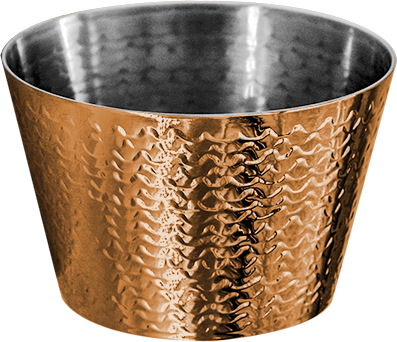
The finish dictates both aesthetics and maintenance requirements. Mirror-polished surfaces offer the highest formal elegance. However, they require meticulous polishing to remove fingerprints and water spots. Brushed or matte finishes provide a modern, minimalist look. They are highly effective at masking daily wear and scratches. Hammered finishes offer artisanal appeal. The textured surface is superior at hiding dents, heavy utensil scratches, and hard water mineral deposits. If you hate polishing, avoid mirror finishes entirely and opt for a heavily textured hammered design.
Handling heavy, hot dishes requires secure grips. Look for rolled edges, wide rims, or integrated handles. These features prevent slips and burns during transport. Additionally, assess the nesting design quality. Bowls and platters should stack neatly within one another. Efficient nesting minimizes the storage footprint, which is crucial for hosts with limited cabinet space. A set of five bowls that nest perfectly takes up the same vertical space as the largest single bowl. This is a massive advantage for home kitchens.
Investing in premium brands yields a lower cost-per-use over time. High-end steel lasts decades without degrading. Budget-tier sets often rust or dent quickly, requiring frequent replacement. If budget is a concern, use a tiered investment strategy. Buy core platters and large bowls first. Then, incrementally add accent pieces and specialized utensils over subsequent years. Building a collection slowly ensures you only buy high-quality pieces rather than settling for a cheap, massive set that will fail after one season.
Minimalist hosts should focus on sleek, geometric silhouettes. Thin rims and brushed or matte finishes complement contemporary dining rooms. These finishes resist smudges, keeping the presentation clean. Prioritize multi-functional, nesting pieces. They fit perfectly into minimalist storage constraints while offering maximum utility for various courses. A simple, unadorned brushed steel bowl works for a casual weeknight salad or a formal dinner party side dish. The lack of ornamentation makes it highly adaptable.
Formal entertaining calls for high-polish, mirrored finishes. Look for classic oval shapes, scalloped edges, or beaded rim designs. These traditional elements reflect candlelight beautifully. They also offer seamless compatibility with existing fine china, crystal stemware, and sterling silver flatware. This creates a highly refined, classic tablescape. When hosting a formal holiday dinner, a mirrored tray elevates the presentation of the main course, making it feel like a special occasion.
Outdoor and high-volume hosting requires rugged durability. Focus on heavy-gauge, hammered finishes. These textures withstand rigorous transport and frequent dishwasher cycles. They hide the inevitable scuffs from backyard settings. Prioritize stackable, shatterproof designs. They transition seamlessly from unplanned weeknight get-togethers to weekend patio dining without stress. You can toss a hammered steel bowl into the back of a car for a picnic without worrying about it getting ruined.
High-shine mirrored surfaces quickly look tarnished during active service. Fingerprints and water spots ruin the elegant illusion. To mitigate this, never let pieces air dry. Hand dry them with a microfiber polishing cloth immediately after washing. During setup, employ white cotton serving gloves to place the platters on the table flawlessly. If a water spot does appear, a quick wipe with a cloth dampened in white vinegar will remove it instantly.
Sharp serving utensils cause fine scratches and swirl marks on polished platters over time. You can mitigate this damage by using silicone-tipped or wooden serving utensils where possible. Avoid abrasive scouring pads during cleanup. Ultimately, you should embrace the natural patina of well-used steel. It adds character and tells the story of many successful gatherings. If you want to restore a mirror finish, you can use a specialized metal polishing compound once a year.
Stacking heavy metal pieces can cause them to lock together or scratch one another. This nesting friction damages the finish. To prevent this, place felt dividers or simple paper towels between bowls and platters before stacking. This simple step protects the metal surfaces and makes unstacking silent and effortless. Never force a bowl into another bowl if it does not fit easily, as changes in temperature can cause the metal to expand and lock them together permanently.
A: Yes, most high-quality 18/10 and 18/8 pieces are completely dishwasher safe. However, to prevent water spots and maintain a brilliant shine, it is highly recommended to remove them immediately after the cycle finishes and hand dry them with a soft microfiber cloth.
A: Premium 18/10 and 18/8 alloys are highly non-reactive. They safely handle acidic foods like tomatoes, vinegar, and citrus without pitting or leaching metallic flavors. Lower-grade 18/0 metals may show wear or slight corrosion if acidic foods are left sitting for extended periods.
A: You can easily remove hard water spots using a mixture of white vinegar and water. Wipe the surface gently with a soft cloth dampened in the solution, rinse with warm water, and dry immediately. Specialized metal polishes also work well for restoring original luster.
A: Yes, solid steel pieces without plastic, wood, or silicone components are generally oven-safe at low warming temperatures. Always verify the manufacturer's guidelines, and remember to use thermal gloves when handling heated metal to prevent severe burns.
A: All polished metal will develop micro-scratches from metal utensils. This is normal wear and tear. To minimize scratching, switch to silicone, nylon, or wooden serving tools. Over time, these fine scratches blend together to form a natural, duller patina.