


Views: 0 Author: Site Editor Publish Time: 2026-07-09 Origin: Site


Investing in textured dinnerware means accepting a different maintenance reality. The distinct aesthetic of a Hammered Plate requires specific protocols that differ significantly from standard smooth ceramics. The textured surface, whether crafted from metal, glass, or ceramic, creates micro-crevices. These small depressions trap food residue, increase susceptibility to flatware friction, and complicate standard washing routines. When you ignore these structural characteristics, improper care quickly leads to degraded finishes, bacterial risks, and compromised structural integrity. You cannot treat these pieces like standard flat plates. This guide provides a technical framework for evaluating and implementing the correct daily cleaning, stain removal, and storage procedures to protect your dinnerware investment. We will cover the exact mechanical and chemical processes needed to maintain the finish, prevent metal transfer from cutlery, and avoid catastrophic thermal shock during daily use.
The physics of a hammered surface fundamentally change how dinnerware interacts with external forces. A smooth glaze distributes pressure evenly across the entire face of the dish. A hammered texture features raised nodes and recessed dimples. The raised nodes absorb the brunt of flatware impact during dining. This makes the peaks highly susceptible to friction and abrasion. The recessed dimples act as micro-catchments. They trap oils, proteins, and particulate matter that would otherwise slide off a flat surface.
Defining success for maintaining these surfaces requires a dual approach. You must achieve total sanitation within the deep recesses without eroding the protective finish on the raised textures. Aggressive scrubbing cleans the dimples but simultaneously wears down the peaks. This leads to a dull, uneven appearance over time. Proper maintenance demands precision. You need the right balance of chemical loosening and gentle mechanical action.
| Surface Type | Impact Distribution | Residue Trapping | Primary Wear Mechanism |
|---|---|---|---|
| Smooth Ceramic | Even across the surface | Low (slides off easily) | General glaze dulling |
| Hammered Texture | Concentrated on raised nodes | High (trapped in dimples) | Node abrasion and dimple buildup |
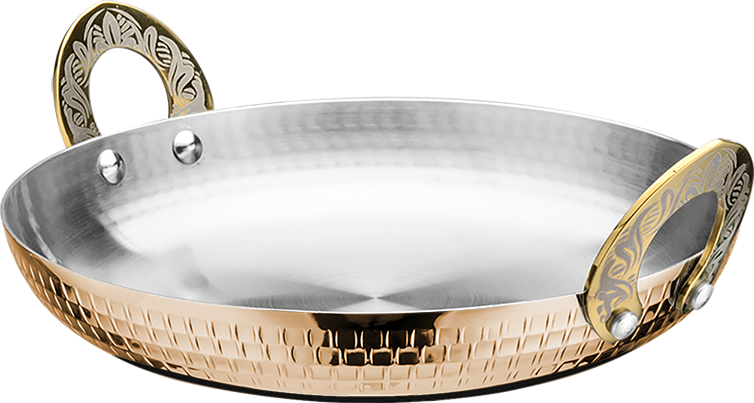
Care requirements shift dramatically based on the base material of the dinnerware. Hammered copper and brass plates are highly reactive. They are prone to oxidation and require routine polishing to manage patina development. Hammered glass variants are particularly susceptible to thermal shock. They develop irreversible clouding if exposed to hard water and high-heat dishwashing cycles. Hammered ceramic plates face the risk of glaze crazing. Microscopic cracks form in the finish if you subject them to rapid temperature fluctuations.
Differentiating between solid metal plates and those with metallic trims is necessary. Ceramic or glass plates featuring electroplated, gold, or platinum painted hammered rims carry distinct electrical and chemical tolerances. These decorative metallic rims are exceptionally fragile. They degrade rapidly if exposed to abrasive sponges or acidic detergents. Solid ceramics and high-quality glass can last decades under optimal care conditions. Metallic-trimmed pieces require meticulous handling to preserve their detailing for more than a few years.
Subjecting textured dinnerware to standard dishwasher cycles introduces severe risks to the finish. High heat cycles, highly alkaline detergents, and high-pressure water jets work together to accelerate finish degradation. Alkaline chemicals strip away protective glazes over time. High-pressure jets force microscopic debris deeper into the hammered recesses. They also cause plates to rattle against each other, leading to edge chipping.
For compatible metal-decorated or glass-textured dinnerware, utilizing a gentle cycle offers a safer alternative. You must ensure the detergent used is pH-neutral. In high-volume hospitality settings, the scalability of commercial washing often outweighs the longevity of individual plates. This necessitates more frequent replacement cycles. For home use, preserving the lifespan of the plate is paramount. Hand washing remains the superior and recommended method.
Executing a safe hand-washing routine requires specific supplies to prevent mechanical damage. You must utilize pH-neutral dish soaps, soft cellulose sponges, and highly absorbent microfiber drying cloths. Avoid any tool with a scouring pad attached. Even mild abrasives dull the raised nodes of the hammered texture.
The conservative cleaning principle dictates a strict workflow to minimize friction. Always start with a warm water and mild dish soap soak. This step loosens hardened debris and emulsifies oils trapped in the dimples before any physical cleaning tool touches the surface. Skipping the soak forces you to scrub harder, increasing the risk of surface abrasion.
One of the most common issues encountered with textured dinnerware is the appearance of grey lines across the surface. Understanding the metallurgical reality behind these marks is essential. Flatware alloys are frequently softer than the hardened glass or fired ceramic glazes of the plates. When a knife or fork drags across the uneven surface, the raised edges act like microscopic sandpaper. This causes tiny amounts of the soft metal to rub off and deposit onto the plate.
The severity of this transfer is heavily influenced by the flatware blend variable. Different cutlery metals interact uniquely with textured glazes. Softer alloys deposit material rapidly. Harder alloys resist this friction much better, resulting in significantly fewer marks. You must differentiate between a superficial metal deposit, which sits on top of the glaze, and a physical gouge, which penetrates the finish and cannot be repaired.
| Flatware Alloy | Hardness Level | Transfer Risk on Hammered Plates |
|---|---|---|
| Silver-Plate / Sterling | Very Soft | Extremely High |
| 18/0 Stainless Steel | Soft | High |
| 18/8 Stainless Steel | Medium | Moderate |
| 18/10 Stainless Steel | Hard | Low |
When grey lines accumulate, specialized chemical interventions are required to lift the metal without damaging the plate. Non-bleach, oxalic acid-based cleaners are highly effective for this specific task. These formulas break down the metal deposits chemically rather than relying on harsh physical abrasion.
Application methodology dictates the safety of this process. Create a thick paste using the cleanser and a small amount of water. Apply the paste directly to the grey lines using a soft, damp sponge with minimal pressure. Allow the chemical reaction to do the work for a few moments. Rinse the plate exhaustively. Thorough rinsing is mandatory to prevent any residual acidic chemicals from drying inside the plate's dimples. Leftover acid compromises the glaze over time.
Certain cleaning tools and chemicals pose an immediate threat to hammered finishes. You must permanently ban them from your care routine. Never use steel wool, stiff bristle brushes, or abrasive scouring pads. Melamine sponges act as micro-sandpaper. They rapidly strip the gloss from ceramic glazes and dull glass surfaces.
Avoid highly acidic DIY cleaners involving concentrated vinegar or lemon juice left to soak for extended periods. These acids slowly dissolve protective metal coatings. They degrade delicate painted rims and weaken the structural integrity of certain ceramic finishes.
Understanding the thermal limits of your dinnerware prevents catastrophic failure. Material-specific guidelines dictate your heating practices. Solid metal hammered plates are strictly incompatible with microwaves. Ceramic or glass plates featuring metallic painted rims or electroplated accents are also incompatible. Introducing these materials to a microwave causes arcing, sparking, and immediate damage to both the plate and the appliance.
There is a distinct difference between baking and warming. Baking foods directly on a ceramic hammered plate exposes the material to prolonged, intense heat that degrades the glaze. Utilizing low-temperature oven environments for warming is generally safe for high-quality ceramics. Warming plates for 5 to 10 minutes at a low temperature of 150°F to 200°F enhances the dining experience without pushing the material past its thermal threshold.
Thermal shock occurs when a material undergoes rapid expansion or contraction due to sudden temperature changes. The mechanics of this process are unforgiving. The uneven thickness inherent in a hammered design means different parts of the plate expand at different rates. This stress causes micro-fractures, glaze crazing, or explosive breakage.
Mitigation strategies rely on gradual temperature transitions. Never subject plates to freezer-to-oven transitions. Keep all textured dinnerware away from direct flames, stovetops, or broiler elements. Never take a hot plate directly from an oven or microwave and submerge it in cold dishwater. Always allow the dinnerware to return to room temperature naturally before washing.
Proper storage is just as critical as proper cleaning. The uneven surface of a hammered plate creates localized pressure points when stacked directly on top of one another. The raised nodes of the bottom plate bear the entire weight of the stack. This leads to severe scratching, glaze abrasion, and an increased likelihood of edge chipping.
Residual moisture presents another hidden danger. Stacking plates that are not completely bone-dry traps moisture in the airless micro-crevices created by the dimpled texture. In dark cabinets, this trapped moisture fosters mold growth. It creates persistent musty odors and leads to permanent water-spot scaling that etches into the surface of the plate.
To neutralize the risks of stacking, implementing protective barriers is mandatory. Utilizing felt plate dividers, silicone separators, or archival-grade tissue paper between each plate cushions the raised nodes. This prevents direct surface-to-surface friction. These barriers absorb minor impacts and distribute weight more evenly across the plate's profile.
Weight distribution rules must also be enforced. Limit stack heights based on the weight and material density of the plates. Heavy stoneware or solid metal plates should never be stacked more than four to six high. This protects the bottom-most plates from excessive load and structural stress.
The ambient environment of your storage space impacts the longevity of the dinnerware. Copper or brass variants require strictly dry environments to prevent tarnishing, rusting, or the development of toxic verdigris. Ensure cabinets are well-ventilated. Consider utilizing silica gel packets in enclosed spaces to manage humidity and protect metal finishes from atmospheric moisture.
Maintaining textured dinnerware requires a disciplined, non-abrasive care routine, precise moisture management, and strict temperature protocols. The unique topography of the surface demands a shift away from aggressive scrubbing toward preventative soaking and chemical lifting. You must align your material choice with your willingness to perform manual maintenance and your current flatware quality.
A: Detail that while some ceramic/glass variants are labeled dishwasher safe, hand washing is strongly recommended to prevent dulling the finish, chipping the raised textures, and avoiding alkaline detergent buildup in the dimples.
A: Explain that these are usually metal transfers from cutlery, not physical scratches. Recommend starting with a warm water soak, followed by a gentle application of a non-bleach, oxalic acid-based cleanser like Bar Keepers Friend with a soft sponge.
A: Yes. Softer metal alloys, silver-plated flatware, and lower-grade stainless steel (such as 18/0) rub off much more easily on the raised nodes of textured glazes than higher-quality, harder alloys (like 18/10 stainless steel).
A: Specify that it depends entirely on the material. Solid metal plates and ceramic/glass plates with metallic-painted or electroplated accents (like gold or platinum rims) are never microwave safe, while basic hammered glass or ceramic may be, provided they are explicitly labeled as such.
A: Generally, no. While some stoneware can handle gentle warming in a standard oven at low temperatures (150°F–200°F) for 5-10 minutes, they should not be used for high-heat baking or subjected to sudden temperature fluctuations that induce thermal shock.