


Views: 0 Author: Site Editor Publish Time: 2026-07-08 Origin: Site


The tactile and visual impact of table settings defines the atmosphere of high-end events. Light interacts with textured surfaces to elevate the dining experience, transforming a standard meal into a memorable sensory event. Event organizers and hosts constantly seek tableware that captures attention while supporting the practical flow of a multi-course service. Balancing aesthetic ambition with operational realities presents a significant challenge. Buyers must navigate the trade-offs between a plate’s visual appeal and its durability, stackability, and maintenance requirements for special occasions. A stunning table setting quickly loses its charm if the plates scratch easily, chip during transport, or require impossible cleaning routines late into the night. Choosing the right tableware requires a structured evaluation framework. By focusing on material science, texture depth, color versatility, event scale, and long-term care requirements, you can ensure a high return on investment.
Hammered textures capture and reflect ambient event lighting beautifully. Candles, string lights, and chandeliers bounce off the irregular divots, creating dynamic shadows and highlights. This constant play of light adds immense depth to the tablescape. It prevents the table setting from looking flat or sterile, injecting a sense of movement and energy into the room. When you set a room for three hundred guests, the collective shimmer across the tables transforms the entire venue. The irregular surface acts like a series of tiny mirrors. You want to leverage this effect during evening receptions where lighting is carefully controlled. The angle of the light source directly impacts how dramatic the texture appears. Overhead pin-spotting creates sharp, high-contrast shadows within the dimples. Low-angle candlelight produces a softer, warmer glow that spreads across the rim.
Guests interact with tableware physically. The psychological impact of textured tableware directly influences the perceived value and luxury of the event. When fingers brush against a dimpled rim, it signals craftsmanship and intentional design. This tactile surprise breaks the monotony of standard smooth ceramics, making the dining experience feel bespoke and exclusive. People naturally run their thumbs along the edge of their plates while conversing. Providing a textured surface engages their sense of touch, anchoring them in the physical space of the event. Heavy, textured materials feel substantial in the hand. They convey a sense of permanence and quality that thin, smooth plates often lack. You are not just serving food; you are curating a multi-sensory environment. The physical weight and surface feel of the plate contribute heavily to that environment.
High-end culinary presentations rely heavily on framing. Contrasting smooth, delicate ingredients with textured borders draws the eye directly to the center of the dish. A well-chosen Hammered Plate acts as a physical frame for the chef's work. The rougher exterior highlights the glossy finish of a reduction sauce or the precise cut of a protein. Chefs spend hours perfecting the visual balance of a dish. The plate must support that effort, not distract from it. A textured rim provides a boundary that contains the visual elements of the food. It prevents the presentation from bleeding out to the edge of the table. When plating a smooth puree or a delicate piece of sashimi, the rough background emphasizes the food's refined texture. You create a visual dialogue between the rustic element of the plate and the refined element of the cuisine.
A high-quality textured plate acts as an evergreen statement piece. It easily transitions across diverse event themes, from rustic outdoor gatherings to ultra-modern galas. By changing the surrounding linens, glassware, and centerpieces, the same plate can anchor entirely different aesthetics. This versatility maximizes the utility of your tableware inventory. You do not want to purchase specific plates for every single event theme. You need core pieces that adapt to their surroundings. A clear textured glass plate looks icy and modern on a silver sequin linen. That exact same plate looks organic and earthy on a bare wooden farm table. The texture provides the interest, while the material and color adapt to the environment. Building an inventory around versatile, textured pieces reduces the need for massive storage facilities and constant new purchases.
Glass offers unparalleled elegance and light transmission. It pairs seamlessly with any color palette, making it highly adaptable. Glass is ideal for weddings, formal galas, and evening events where lighting plays a central role. The transparency allows the underlying linen to show through, integrating the plate into the broader table design. You can layer a clear textured plate over a patterned charger for a complex, multi-dimensional look.
However, glass comes with distinct fragility risks. It remains susceptible to thermal shock if exposed to rapid temperature changes. Moving glass plates directly from a cold storage truck to a hot dishwashing line will cause stress fractures. Visible water spots require meticulous polishing before service. Furthermore, glass experiences higher breakage rates during transport and stacking. You must invest in specialized, padded transport crates to protect your inventory.
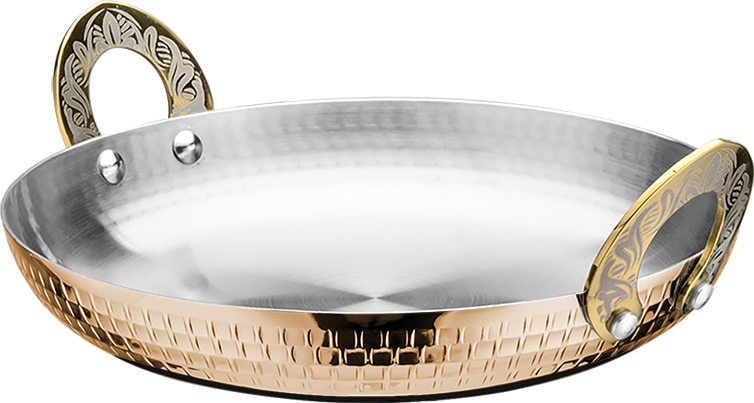
Copper, brass, and stainless steel deliver extreme durability and striking visual contrast. These metals excel in rustic, industrial, or opulent themes. They serve brilliantly as charger plates or presentation pieces. Metal plates do not chip or shatter when dropped. They withstand the physical abuse of high-volume catering environments better than any other material. A heavy brass plate anchors a table setting with undeniable authority.
The drawbacks include a high risk of scratching from serrated knives. Heat transfer issues make them tricky for serving hot food directly. A metal plate will pull heat away from a hot steak rapidly, cooling the food before the guest finishes eating. Copper and brass also carry the potential for tarnishing, demanding regular chemical polishing to maintain their luster. You must factor the labor cost of polishing into your operational planning.
Ceramic and porcelain provide commercial-grade durability and high chip-resistance. They integrate seamlessly into standard dishwashing cycles, saving immense labor hours. They represent the most practical choice for high-volume food service. You can run hundreds of ceramic plates through a conveyor dishwasher in an hour without worrying about thermal shock or water spots. The glaze protects the underlying material from stains and odors.
The trade-offs involve heavier weight, which complicates transport for off-site events. A stack of twenty textured ceramic plates weighs significantly more than a stack of smooth plates. They also offer less dramatic light reflection compared to glass or metal, relying more on shadow than shine to display their texture. The dimples in ceramic are often softer and less defined due to the glazing process.
| Material Type | Primary Event Application | Operational Advantage | Maintenance Requirement | Transport Risk Level |
|---|---|---|---|---|
| Clear Glass | Formal Weddings, Galas | High light refraction, color neutral | Hand polishing, water spot removal | High (Requires padded crates) |
| Stainless Steel | Industrial, Modern Banquets | Shatterproof, extreme durability | Wipe down to prevent fingerprints | Low (Highly stackable) |
| Copper/Brass | Rustic, Opulent Chargers | Striking visual contrast, heavy weight | Chemical polishing to remove tarnish | Medium (Scratch risk during stacking) |
| Glazed Ceramic | High-Volume Catering | Dishwasher safe, heat retentive | Standard commercial washing | Medium (Chipping risk on edges) |
The depth of the hammered divots heavily affects the dining experience. Deep textures look incredible but can trap sauces and purees. More importantly, deep divots create auditory and physical friction when knives scrape across them. Mitigating the scratch factor requires selecting plates with shallower textures in the eating area, or using heavily textured pieces strictly as chargers. You must test the plate with the exact flatware you plan to use. Run a steak knife across the surface. If it catches in the dimples or makes an unbearable screeching sound, the plate is unsuitable for the main course. Shallow textures provide the visual benefit without the functional drawback. The dimples should be subtle enough that a fork can glide over them smoothly. If you serve dishes with heavy reductions or complex sauces, deep dimples will trap the liquid, making it difficult for the guest to enjoy the entire meal and complicating the dishwashing process.
Rimmed designs work best for formal, multi-course meals. They confine the hammered texture to the edge, leaving a smooth center for practical plating and clean food presentation. The smooth center allows the chef to drag sauces and place delicate garnishes without interference. The textured rim acts purely as a visual frame. Coupe designs suit modern, minimalist events. They offer a continuous textured surface from edge to edge. However, coupe plates require careful menu planning to avoid liquid pooling unevenly across the dimples. A thin vinaigrette will separate and pool in the low spots of a coupe plate, ruining the presentation. Coupe plates work best for dry items, salads, or dishes with thick, stable purees. You must align the plate shape with the specific culinary requirements of the menu.
Neutral bases like white, ivory, or clear glass maximize versatility. They let the colors of the food stand out without competition. Colored and saturated finishes demand strategic contrast. For example, using a dark green or hammered metal plate makes white pasta, rice, or light-colored appetizers pop visually. Always match the plate color to the specific menu to avoid visual clashes. A bright red tomato salad gets lost on a copper plate but jumps off a white ceramic plate. Dark, moody event themes often utilize matte black or gunmetal textured plates. These dark backgrounds require bright, vibrant food to prevent the dish from looking muddy. You must work closely with the culinary team to ensure the plate color enhances the specific ingredients being served.
Assess the physical footprint of your tableware. Textured plates often stack higher than smooth plates due to their irregular profiles. Address the risks of scratching during stacking immediately. Felt separators remain an absolute necessity for glass and metal plates to prevent surface damage during transit and storage. When planning for a thousand-person event, a slight increase in plate thickness drastically changes your transport logistics. You may need more transport racks and larger trucks. The irregular bottom of a textured plate can grind against the face of the plate below it. This friction causes permanent scuffing. You must train your staff to stack these plates carefully, always using protective dividers. Never slide a textured plate across a table or another plate; always lift and place it directly.
Formal events demand pristine execution. Utilize clear or gold-rimmed hammered glass to complement crystal stemware and crisp white linens. The transparency of the glass keeps the table feeling light and uncluttered while adding necessary texture. Pair these with polished silver or gold flatware for a classic, sophisticated finish. The lighting in a formal ballroom usually involves chandeliers and heavy uplighting. Glass plates catch this light from multiple angles, creating a sparkling effect across the room. You want the table to look expensive and refined. Avoid heavy, dark metals in these settings unless you are executing a very specific, moody design concept. Stick to materials that enhance the brightness and elegance of the space.
Outdoor environments call for grounded, earthy elements. Deploy hammered copper or matte ceramic plates to align with natural textures like wood tables and woven runners. The ambient outdoor lighting, especially during golden hour, highlights the dimpled surfaces beautifully. These materials feel substantial and appropriate for farm-to-table menus. When serving roasted meats, root vegetables, and rustic breads, a shiny glass plate feels out of place. You need a plate that looks like it belongs in the environment. Matte finishes absorb light rather than reflecting it, creating a softer, more intimate dining atmosphere. Copper plates develop a natural patina over time, which adds to their rustic charm. Embrace the imperfections of the material in these settings.
Mixing solids and patterns creates a highly customized tablescape. Combine a solid textured charger with traditional smooth porcelain dinner plates. Layer patterned salad or dessert plates on top to add a dynamic touch. This strategy prevents visual clutter while maintaining high interest. It allows hosts to inject personality into the setting without overwhelming the food presentation. You do not need every plate on the table to feature a hammered texture. Using one textured piece as an anchor allows you to play with smooth, patterned, or colored pieces for the other courses. This layered approach shows design intent. It proves you carefully considered every element of the table setting rather than just renting a matching set out of a catalog.
Identify exactly which materials can withstand commercial sanitization temperatures. Harsh chemicals quickly cloud cheap glass or strip finishes off coated metals. Ceramics generally survive commercial dishwashers flawlessly. Glass and metal often require hand-washing mandates, drastically increasing post-event labor hours and operational friction. A standard commercial dishwasher uses water exceeding 180 degrees Fahrenheit. This heat, combined with industrial detergents, will destroy the finish on a brass plate in a single cycle. You must establish strict sorting procedures in the dish pit. Staff must separate hand-wash-only items immediately upon clearing the tables. Failure to do so results in ruined inventory. Hand-washing hundreds of plates at 2:00 AM requires dedicated staff and specific cleaning supplies. You must account for this labor when deciding which material to purchase.
Calculate the labor cost of maintaining copper and brass plates between events. These metals oxidize naturally and require dedicated polishing compounds to restore their shine. If your team lacks the bandwidth for this maintenance, opt for stainless steel or metallic-glazed ceramics instead to achieve a similar look with zero polishing. Polishing a single copper charger plate takes approximately three to five minutes. Multiply that by three hundred plates, and you have a massive labor requirement before the event even begins. You cannot skip this step. Tarnished plates look dirty and unprofessional. You must set up a dedicated polishing station in your warehouse, equipped with the correct chemicals, microfiber cloths, and ventilation. If this logistical hurdle is too high, avoid reactive metals entirely.
Establish a realistic breakage budget based on the chosen material and event volume. Glass will break; ceramics will eventually chip. Ensure supplier continuity before making a large purchase. Select manufacturers that offer open-stock availability rather than limited runs. This allows for easy replacement of individual chipped plates over time without replacing the entire set. A chipped plate cannot be used in service. It presents a safety hazard and looks terrible. You must inspect every plate during the sorting and washing process. Discard damaged pieces immediately. When you buy from a reliable supplier with open-stock options, you can order ten replacement plates every few months to maintain your inventory levels. If you buy a limited-run design, you will eventually have to scrap the entire collection when attrition drops your numbers below your required event capacity.
A: Most hammered glass plates require hand washing. Commercial dishwashers use high heat and harsh chemicals that cause thermal shock, clouding, or surface abrasions. Always check the manufacturer's specific care instructions, but default to gentle hand washing to preserve clarity and prevent breakage.
A: Yes, serrated knives and heavy pressure will scratch most metal plates, including copper, brass, and stainless steel. To mitigate this, use metal plates primarily as chargers or presentation pieces, or serve softer foods that do not require aggressive cutting.
A: Clean copper plates with warm, soapy water and a soft sponge. To remove tarnish, use a commercial copper polish or a natural paste made from lemon juice and baking soda. Rub gently, rinse thoroughly, and dry immediately with a microfiber cloth to prevent water spots.
A: Absolutely. Mixing textures adds depth to a tablescape. Using a textured plate as a base charger beneath a smooth porcelain dinner plate creates an elegant, layered look that balances visual interest with practical dining surfaces.
A: Clear or gold-rimmed hammered glass is highly popular for weddings. It offers a sophisticated, romantic aesthetic that catches candlelight beautifully and pairs easily with diverse floral arrangements and linen colors.
A: Store them in sturdy, perfectly sized racks or crates. Always place felt or foam separators between each plate to prevent the textured bottoms from scratching the surface of the plate below. Avoid stacking them too high to reduce weight pressure on the bottom plates.