


Views: 0 Author: Site Editor Publish Time: 2026-06-29 Origin: Site


Consumers are rapidly shifting away from easily chipped ceramics, fragile lead-free crystal, and high-maintenance heirloom silver. Modern dining demands durable, multi-generational tableware that withstands daily use while maintaining an elegant aesthetic for formal entertaining. You need materials that perform under pressure without requiring hours of careful polishing or delicate hand-washing.
Navigating the market presents a significant challenge. Manufacturers broadly label products as "stainless steel," but vast differences exist in metallurgical grades, gauges, finishes, and manufacturing methods. These hidden variables dictate whether a piece will last for decades or pit, rust, and warp within a single year. Buying cheap metal often means buying twice.
This guide provides a structured evaluation framework to help you assess metal tableware. We will break down material composition, construction quality, functional categories, aesthetic trade-offs, and long-term maintenance requirements so you can make an informed decision for your dining room.
Selecting the right material for your serving dishes impacts everything from food safety to table presentation. You have to weigh durability against aesthetics and maintenance. Let us look at how metal stacks up against traditional alternatives.
Different materials serve different purposes, but few offer the all-around utility of high-grade steel alloys. Here is a direct comparison of common tableware materials.
| Material | Durability & Maintenance | Temperature Handling | Best Use Case |
|---|---|---|---|
| Wood | Requires regular mineral oiling. Harbors bacteria if deeply scratched or cracked. Cannot handle highly acidic foods. | Poor thermal retention. Warps if exposed to high heat or prolonged moisture. | Dry appetizers, bread boards, rustic charcuterie presentations. |
| Ceramic & Porcelain | Prone to chipping and cracking upon impact. Glaze can craze over time. | Susceptible to thermal shock if moved rapidly from cold to hot environments. | Everyday dinnerware, microwave-safe heating. |
| Lead-Free Crystal | Extremely fragile and heavy. Requires careful hand-washing to prevent clouding. | Cannot handle extreme heat. Best for room temperature or chilled items. | Formal entertaining, beverage service, delicate desserts. |
| Traditional Silver | Highly reactive to sulfur and acids. Demands frequent, laborious polishing to prevent heavy tarnish. | Conducts heat rapidly. Can become too hot to handle quickly. | Heirloom displays, highly formal traditional holiday dinners. |
| High-Grade Stainless Steel | Impact-resistant, rust-resistant, and dishwasher safe. Requires minimal upkeep. | Excellent temperature retention. Handles oven-to-table transitions safely. | Versatile daily use, high-volume entertaining, indoor/outdoor dining. |
One of the primary advantages of metal serving dishes is their ability to handle extreme temperature shifts without structural failure. You can take a heavy-gauge steel platter directly from a 400-degree oven and place it on a trivet on your dining table. There is zero risk of the thermal shock that shatters glass or cracks ceramic.
This thermal conductivity works both ways. If you need to serve a chilled shrimp cocktail or a raw oyster spread, placing a steel tray in the freezer for thirty minutes before plating ensures the metal stays ice-cold throughout the meal. The material actively helps maintain safe food temperatures during long dinner parties.
Food safety starts with the surface you serve it on. Wood develops microscopic fissures that trap moisture and bacteria. Ceramic glazes develop hairline cracks over time, allowing food juices to seep into the porous clay beneath. High-quality steel alloys are completely non-porous.
This dense surface structure means the metal will not absorb odors from pungent ingredients like garlic, onions, or fish. It resists staining from heavy pigments found in beets or turmeric. When you wash a steel bowl, you remove all organic material, leaving a completely sanitized surface ready for the next meal.
You do not need to replace your entire dining set to incorporate metal pieces. Steel acts as a design-forward bridge between different styles. It blends seamlessly with ultra-modern industrial minimalism, reflecting clean lines and neutral tones.
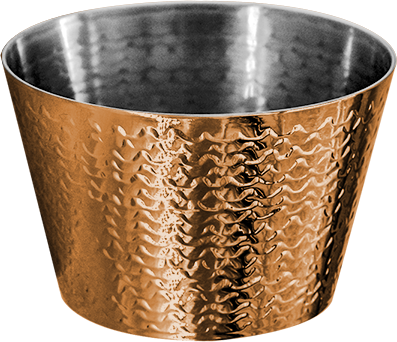
Conversely, it grounds traditional tablescapes. A hammered metal bowl adds texture and catches the light, breaking up the monotony of matching white porcelain plates. It mixes well with warm wood tones and colored glass, providing a reflective anchor that elevates the overall visual presentation of the meal.
Not all metal is created equal. The performance of your serving dishes depends entirely on the specific alloy blend and the manufacturing techniques used to form it. You must understand these technical specifications to avoid buying inferior products that will degrade quickly.
When you shop for Stainless Steel Serveware, you will see numbers like 18/10 stamped on the bottom. These numbers represent the percentages of chromium and nickel mixed into the steel.
The thickness of the metal, known as the gauge, determines how well a piece holds its shape under stress. In sheet metal sizing, lower gauge numbers indicate thicker, more durable steel. A 22-gauge tray will feel flimsy, flex under the weight of a heavy roast, and dent easily if dropped. An 18-gauge or 16-gauge tray provides substantial heft.
You should evaluate the weight of serving platters and utensils in your hands. Heavier-gauge pieces resist denting, bending, and warping under thermal stress. They sit flat on the table without wobbling. This weight also provides a balanced, high-end tactile feel that elevates the dining experience.
The points where handles attach to trays or tureens are the most common points of failure. You must inspect these joints closely.
Serving pieces take up significant cabinet space. If you are replacing bulky ceramic sets, evaluate how well the new metal pieces nest together. Well-designed serving bowls and platters should stack tightly, maximizing your available drawer and shelf space. Look for sets designed with uniform tapers that allow smaller bowls to sit completely flush inside larger ones.
Building a functional collection requires selecting the right pieces for your specific hosting style. You do not need every item available on the market. Focus on core categories that provide the most utility for the types of meals you prepare.
Platters form the foundation of any serving collection. You need to choose between flat and rimmed designs based on your menu.
Before purchasing oversized statement platters, measure your cabinet depth and dining table width. A massive 24-inch tray might look impressive, but it becomes a liability if it does not fit in your dishwasher or overhangs the edges of your storage shelves.
Bowls handle salads, side dishes, and soups. Because metal transfers heat rapidly, a standard single-wall steel bowl filled with hot soup will become too hot to touch on the outside.
For hot foods, prioritize double-walled insulated designs. These bowls feature two layers of steel with an air gap or vacuum between them. This construction protects your hands from burns, prevents condensation rings from forming on wooden tables when serving iced dishes, and maintains optimal food temperatures significantly longer than single-wall bowls.
A beautiful bowl requires the right tools to serve the food. Curating a versatile utensil toolset prevents awkward serving situations.
Pay attention to ergonomic design. The handles should have balanced weight distribution. A handle that is too heavy will cause the spoon to constantly flip backward and slip into the serving bowl, submerging the handle in the food.
Once you have the basics, you can add niche items like sugar bowls, creamer pitchers, butter dishes, and gravy boats. These targeted additions refine your table presentation. They do not need to strictly match the broader set. Using a brushed metal gravy boat alongside mirror-polished platters creates a layered, contrasting aesthetic that feels collected rather than rigidly uniform.
The surface finish of your tableware dictates how it interacts with light and how much effort you must spend keeping it looking clean. Each finish carries specific trade-offs between visual impact and daily maintenance.
A mirror finish offers a classic, highly reflective aesthetic comparable to traditional polished silver. It reflects candlelight and ambient dining room lighting beautifully, creating a formal, upscale atmosphere.
However, this finish requires rigorous maintenance. It is highly susceptible to visible water spots, micro-scratches from utensils, and fingerprints. If you choose mirror-polished pieces, you must commit to careful handling and immediate hand-drying to maintain that flawless reflection.
These finishes undergo a secondary process that creates fine, directional lines or a muted surface texture. They provide a contemporary, industrial-chic look.
The primary advantage is practicality. Brushed and satin finishes are excellent at hiding daily wear, smudges, and minor abrasions. You can use them heavily without worrying about ruining a perfect shine. The drawback is that they can sometimes appear overly utilitarian or cold if you do not pair them with warm tablescape elements like textured linens, colorful ceramics, or natural wood accents.
Artisans or machines strike the metal to create a dimpled, faceted surface. This textured surface excels at concealing scratches, water spots, and minor dents. It offers an artisanal, handcrafted aesthetic and provides a better tactile grip when carrying heavy trays.
The main consideration with deep texturing is cleaning. You may need to use more deliberate hand-washing techniques with a soft brush to ensure food particles are completely cleared from the deeper crevices of the hammered pattern.
Manufacturing methods influence the final look and feel of the piece.
Even the highest grade alloys require proper care to reach their maximum lifespan. Understanding how metal reacts to food chemistry and cleaning agents prevents premature degradation.
While 18/10 alloys are highly resistant to rust, they are not entirely invincible. The protective chromium oxide layer can break down under specific chemical attacks. Leaving highly acidic foods like tomatoes, vinegar-based dressings, or citrus juices on the metal for prolonged periods can cause microscopic pitting. Heavily salted dishes pose a similar risk.
To mitigate this risk, never use metal serving bowls for long-term food storage in the refrigerator. Transfer leftovers to glass storage containers immediately after the meal. Wash the serveware promptly to remove acid and salt residues.
High-quality metal tableware is technically dishwasher-safe, but frequent dishwasher use carries risks. Harsh chemical detergents and hard water mineral deposits can leave dull spots or cause superficial blue/rainbow discoloration on the surface.
To preserve the original factory finish, implement strict drying protocols. Hand-wash the pieces with a mild dish soap. Immediately hand-dry them with a soft microfiber cloth. Letting them air-dry allows the calcium and magnesium in tap water to evaporate and bond to the metal, creating stubborn white spots.
Solid metal conducts heat efficiently. If you place a tray under warming lamps or fill a tureen with boiling-hot liquids, the solid metal handles will become dangerously hot.
Warn your guests before handing them a hot plate. Look for serveware designed with heat-resistant handle inserts or stick to double-walled construction for hot liquids. Always use high-quality, thick table linens or dedicated trivets to protect your dining table's wood finish from the heat radiating off the bottom of the serving dishes.
Investing in high-grade metal tableware yields a high return on investment due to its superior corrosion resistance, durability, and lifetime value. By understanding the metallurgy and construction details, you avoid wasting money on inferior pieces that degrade quickly.
A: Yes, it safely handles high temperatures and oven-to-table transitions without cracking. However, single-wall designs transfer heat rapidly, making the exterior hot to the touch. Use double-walled insulated bowls for hot soups and always use trivets to protect your table surfaces.
A: High-quality 18/10 alloys are non-reactive and will not alter the taste of acidic foods like tomatoes or citrus during a normal meal service. Avoid using lower-grade 18/0 alloys, which can impart a metallic taste and degrade when exposed to acids.
A: The numbers represent chromium and nickel percentages. 18/10 has 10% nickel for maximum rust resistance and shine. 18/8 is a durable mid-tier option with 8% nickel. 18/0 contains no nickel, making it prone to rust, dullness, and pitting over time.
A: Wash the tray with warm water and mild dish soap, then immediately dry it with a soft microfiber cloth. For stubborn water spots, wipe the surface with a small amount of white vinegar, rinse thoroughly, and buff dry to restore the shine.
A: Most high-quality pieces are oven-safe and dishwasher-safe. However, harsh dishwasher detergents can dull the finish over time. Hand-washing and immediate drying are recommended to maintain the factory polish and prevent hard water mineral buildup.
A: Rust spots occur if the protective chromium layer is compromised by prolonged exposure to salt, acid, or harsh chemicals. You can remove superficial rust by gently rubbing the area with a paste of baking soda and water, then rinsing and drying completely.