


Views: 0 Author: Site Editor Publish Time: 2026-07-05 Origin: Site


Consumers are rapidly shifting away from disposable non-stick pans toward lifetime-investment stainless steel cookware. Non-stick coatings degrade over time, leading to frequent replacements and concerns about chemical exposure. Stainless steel offers a permanent, non-toxic alternative. However, buyers face a significant challenge. The premium cookware market is saturated. Distinguishing between genuine multi-clad performance and overpriced marketing hype requires careful analysis. We will break down the pros, cons, and real-world kitchen performance of Stripes Cookware to determine if it justifies the investment. You will learn about its material architecture, thermal dynamics, and the specific techniques required to maximize its utility in a home kitchen.
The foundation of any high-performance pan lies in its metallurgical makeup. Stripes Cookware utilizes a multi-clad architecture designed for optimal heat transfer. The cooking surface consists of 18/10 stainless steel. This specific alloy contains 18% chromium and 10% nickel. The chromium provides exceptional resistance to rust and corrosion, while the nickel adds a polished luster and further protects against acidic degradation. Beneath this cooking surface lies an internal core, typically highly conductive aluminum. Aluminum transfers heat rapidly across the entire base and up the sidewalls, eliminating the hot spots common in cheaper disc-bottom pans. The exterior features magnetic stainless steel, ensuring full compatibility with modern induction ranges.
Design ergonomics play a massive role in daily kitchen operations. When you are working on a hot line or managing multiple burners at home, the handle design dictates your control over the pan. The handle focuses on heat displacement. A well-engineered handle features a split design near the pan body, which slows heat transfer and keeps the grip cool during extended stovetop use. It also provides grip stability for heavy lifting, preventing the pan from rotating in your hand when pouring out hot liquids. Rim construction also matters. Flared rims allow for drip-free pouring of liquids, fats, and sauces. Straight-sided designs often result in liquids running down the exterior of the pan, creating a burned mess on your stovetop.
Connection points demand careful engineering. Traditional raised rivets can trap food particles, polymerized oils, and bacteria, complicating the cleaning process. Flush-surface rivets offer a superior alternative. They ensure hygienic upkeep and maintain long-term structural integrity without interfering with your spatula as you scrape the cooking surface. When inspecting a new pan, you should always check the rivet seating.
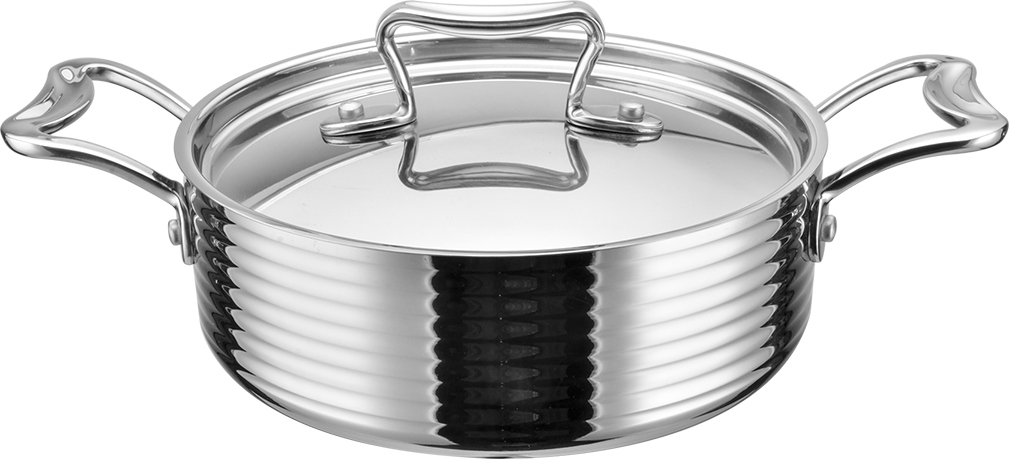
Moisture retention relies on precise lid construction. Heavy-gauge stainless steel lids trap heat effectively and withstand oven temperatures far better than tempered glass alternatives. Glass lids can shatter under thermal shock or high broiler heat. The precision of the rim seal dictates vapor control. A tight-fitting lid allows cooks to manage reduction rates accurately and braise tough cuts of meat without losing essential cooking liquids to evaporation.
Supply chain transparency provides insight into manufacturing standards. Verifying factory conditions, quality control protocols, and material sourcing ethics ensures the final product meets professional expectations. Furthermore, broad compatibility is essential. This cookware supports induction readiness, high oven-safe temperature thresholds, and direct broiler exposure. You can move a pan from a stovetop sear directly under a screaming hot broiler to melt cheese or finish a crust without worrying about damaging the pan.
The conductive core material actively mitigates hot spots across the cooking surface. Heat travels evenly from the base up the sidewalls. This thermal dynamic directly impacts cooking consistency. When you drop a thick ribeye into the pan, the temperature of the metal drops immediately. A heavy, multi-clad pan holds enough thermal mass to recover quickly, ensuring the meat sears rather than steams in its own juices. Proteins achieve even browning without scorching in isolated areas. Delicate sauces, like a beurre blanc or hollandaise, maintain a stable simmer, reducing the risk of breaking or burning on the edges.
High-quality cladding provides substantial resistance to warping under high heat or sudden thermal shock. Cheaper, thin pans will warp and spin on flat glass cooktops, rendering them useless for even heating. The 18/10 stainless steel surface defends against pitting, scratching, and acidic corrosion over decades of use. You can use metal utensils, whisks, and heavy spatulas without fear of scraping off toxic non-stick coatings into your food. Handle-to-pan structural integrity remains solid, enduring years of heavy kitchen demands, aggressive tossing, and frequent washing without loosening or failing.
Stainless steel excels in transitional cooking. You can move a pan seamlessly from a high-heat stovetop sear directly into a hot oven to finish roasting a chicken breast or thick pork chop. Additionally, the surface promotes fond development. Fond refers to the caramelized drippings and proteins that adhere to the bottom of the pan during searing. These browned bits form the crucial base for rich pan sauces. You deglaze the pan with wine or stock, scraping up the fond to incorporate massive amounts of flavor into your sauce. This capability represents a distinct culinary benefit over non-stick surfaces, which actively prevent fond formation by design.
High-grade stainless steel is entirely non-reactive. You can cook highly acidic ingredients like tomatoes, vinegar-based marinades, or wine reductions for hours without metallic flavor transfer. More importantly, the surface confirms the complete absence of PFAS, PTFE, PFOA, lead, and other degradable chemical coatings. The cooking environment remains safe and non-toxic indefinitely. You never have to worry about overheating the pan and releasing toxic fumes into your kitchen, a common danger associated with traditional non-stick cookware.
The primary user complaint regarding stainless steel is food sticking. This occurs due to improper temperature management. Understanding the physics of the Leidenfrost effect is critical. Pre-heating the pan is a mandatory, non-negotiable step. When stainless steel is cold, its microscopic pores are open. If you add cold protein to a cold pan, the pores clamp down on the food as the metal heats up, acting like superglue. You must heat the pan until the pores expand and close, creating a smooth surface. Without proper heat and a sufficient lipid barrier, proteins will bond directly to the steel, tearing your food apart when you try to flip it.
Multi-clad construction adds significant mass. Larger skillets, sauté pans, and stockpots carry substantial weight even when empty. A 12-inch 3-ply skillet can weigh upwards of three pounds. Once filled with food and liquids, handling requires effort. Tossing vegetables or flipping a heavy piece of meat with one hand demands wrist strength. Users with limited mobility or arthritis may face ergonomic challenges during daily use and should consider the physical demands before committing to heavy multi-clad pieces.
Cleaning polymerized oils and protein bonds requires specific techniques. If you overheat oil, it polymerizes, turning into a sticky, yellow-brown resin that bonds to the steel. Heat tint, often appearing as a rainbow discoloration on the interior or exterior, and mineral water spots are inevitable. Maintaining a factory finish requires specialized cleaners. Routine maintenance demands more effort than simply wiping out a non-stick skillet with a paper towel.
| Issue | Cause | Solution |
|---|---|---|
| Stuck-on Food | Cooking at too low a temperature or flipping too early. | Deglaze with water while warm, scrape with a wooden spoon. |
| Polymerized Oil | Heating cooking oils past their smoke point. | Scrub with Bar Keepers Friend and a non-scratch pad. |
| Rainbow Heat Tint | Harmless oxidation from high heat exposure. | Wipe with white vinegar or a specialized stainless cleaner. |
| White Water Spots | Calcium and mineral deposits from hard tap water. | Dry immediately after washing; wipe with diluted vinegar. |
The upfront acquisition requires a larger commitment compared to budget alternatives. However, framing this against the frequent replacement cycle of cheaper non-stick pans reveals strong long-term value. A non-stick pan typically lasts one to three years before the coating degrades. A high-quality stainless steel pan lasts a lifetime. Assessing the manufacturer's warranty policy is also vital. Understanding the scope of limited lifetime coverage versus wear-and-tear exceptions clarifies the reliability of customer support. Look for warranties that cover manufacturing defects like delamination or rivet failure, but understand that cosmetic damage or warping from thermal shock is rarely covered.
Evaluating the market requires comparing ply architecture, heating responsiveness, and handle ergonomics. Premium legacy brands often feature 5-ply construction with copper cores, offering slightly faster heat response but at a massive premium. Direct-to-consumer brands offer modern designs and competitive pricing but sometimes lack the generational track record of established manufacturers. Stripes Cookware positions itself as a robust middle ground, offering professional-grade 3-ply performance without the exorbitant markup of legacy names.
This cookware suits home chefs focused on developing core techniques like searing, pan-roasting, and deglazing. If you want to achieve a steakhouse-quality crust on a ribeye or build a complex red wine reduction sauce, you need stainless steel. Buyers seeking a permanent, kitchen upgrade will find their success criteria met. It also serves households actively transitioning to 100% non-toxic cooking environments, eliminating the anxiety of chemical ingestion from flaking coatings.
Users who prioritize rapid, low-effort cleanup should look elsewhere. High-end ceramic or carbon steel might better suit those needs. Strictly budget-conscious buyers might find adequate thermal performance in basic aluminum restaurant-supply brands, though they sacrifice induction compatibility and aesthetic appeal. Individuals cooking primarily delicate items like eggs, crepes, or flaky white fish, without the patience for strict temperature management, will struggle with stainless steel and should keep a dedicated non-stick pan in their arsenal.
Mastering the water drop test ensures the pan reaches the correct temperature before adding lipids. This is the single most important skill for cooking with stainless steel.
Avoid thermal shock at all costs. Never run cold water on a hot pan, as this can cause irreversible warping, turning your flat cooking surface into a spinner. Let the pan cool until it is warm to the touch before washing. To remove stuck-on food safely, deglaze the warm pan with a small amount of water or vinegar. Simmer gently on the stove while scraping with a wooden spoon. This lifts debris without causing abrasive damage to the steel surface. For tough polymerized grease, make a paste of Bar Keepers Friend and water, apply it to the stains, let it sit for five minutes, and scrub with a non-abrasive sponge.
A: Yes. The exterior layer utilizes magnetic stainless steel. This specific alloy interacts perfectly with induction burners, ensuring rapid and efficient heat transfer across the entire base of the pan.
A: Food sticks due to cold-pan syndrome or an insufficient lipid barrier. If the steel is not pre-heated adequately, the microscopic pores in the metal grasp the proteins. Proper pre-heating and adding oil only after the pan is hot prevents this issue.
A: While technically safe for dishwasher use, hand washing is strongly recommended for longevity. Harsh dishwasher detergents can dull the exterior finish over time and accelerate the degradation of exposed aluminum edges if present.
A: Rainbow stains, known as heat tint, result from a harmless oxidation layer forming under high heat. You can easily remove them by wiping the surface with diluted white vinegar or a specialized powdered cleaner like Bar Keepers Friend.
A: No. High-quality stainless steel does not require a polymerized oil seasoning layer. The surface relies on proper pre-heating and cooking techniques to release food, rather than a built-up carbon layer.
A: Most premium stainless steel pans withstand oven temperatures up to 500°F to 600°F (260°C to 315°C). Always verify the specific manufacturer limits, especially regarding lids, as tempered glass components have lower thresholds than solid steel.