


Views: 0 Author: Site Editor Publish Time: 2026-07-05 Origin: Site


The 2026 kitchen design landscape has definitively shifted away from stark, clinical whites toward warm minimalism, deep earthy tones, and highly personalized spaces. As kitchens increasingly feature open shelving and glass-front cabinetry, cookware must now serve a dual purpose. It needs to deliver professional-grade culinary performance while acting as a cohesive design element. Buyers struggle to find colorful options that do not compromise on durability, thermal responsiveness, or compatibility with next-generation smart appliances. This guide evaluates how Stripes Cookware integrates into 2026 color palettes. We assess its technical construction, aesthetic longevity, and overall value to determine if it meets the criteria for a modern kitchen upgrade.
Modern kitchens demand more than just basic functionality from pots and pans. Identifying the baseline requirements for cookware means balancing visual impact with daily utility. Pots and pans are no longer hidden away in dark base cabinets. They sit on open floating shelves and behind fluted glass displays. This visibility forces a complete change in how we select kitchen tools. We evaluate them as permanent fixtures in the room.
Interior design in 2026 heavily favors soft creams, light-stained white oak, and butter yellows. These shades have completely replaced the stark, hospital-white kitchens of the previous decade. Cookware functions as a visual anchor in these open-concept designs. It supports calm, liveable design philosophies. When you place a colorful pot on a light wood shelf, it immediately draws the eye. The colors must harmonize with the surrounding environment. Harsh, highly polished metallic finishes can disrupt a warm minimalist space. Matte finishes and subtle geometric patterns work much better. They add character without overwhelming the room's natural light.
High-movement stone countertops dominate 2026 kitchen trends. Heavily veined marble and textured statement backsplashes are standard in new builds. Introducing patterned cookware into these spaces presents a distinct challenge. You want to avoid visual clutter. You also want to prevent clashing with bold kitchen surfaces. Solid colors often work best against busy marble veins. However, geometric patterns can complement stacked subway tiles or solid quartz slabs. The key is finding the right balance. Cookware should enhance the backsplash, not compete with it for attention.
Aesthetics mean nothing without reliable performance. Modern kitchens require specific technical capabilities from their cookware to function properly.
We can compare the shifting priorities in kitchen tool selection over the last few years.
| Feature Category | Legacy Kitchen Standards (Pre-2024) | Modern Kitchen Standards (2026) |
|---|---|---|
| Primary Storage | Hidden in deep base cabinets | Displayed on open shelving or hanging racks |
| Dominant Finish | Polished stainless steel or black hard-anodized | Matte colors, earthy tones, and subtle patterns |
| Heating Method | Gas burners (high flame tolerance needed) | Induction and smart-sensor hobs (magnetic base needed) |
| Design Role | Strictly utilitarian | Cohesive design element and visual anchor |
Understanding the functional architecture of a cookware line is essential before making a purchase. We must break down the materials to see how they perform under pressure in a real kitchen. Beautiful pots still need to boil water quickly, sear meat evenly, and clean up without excessive scrubbing.
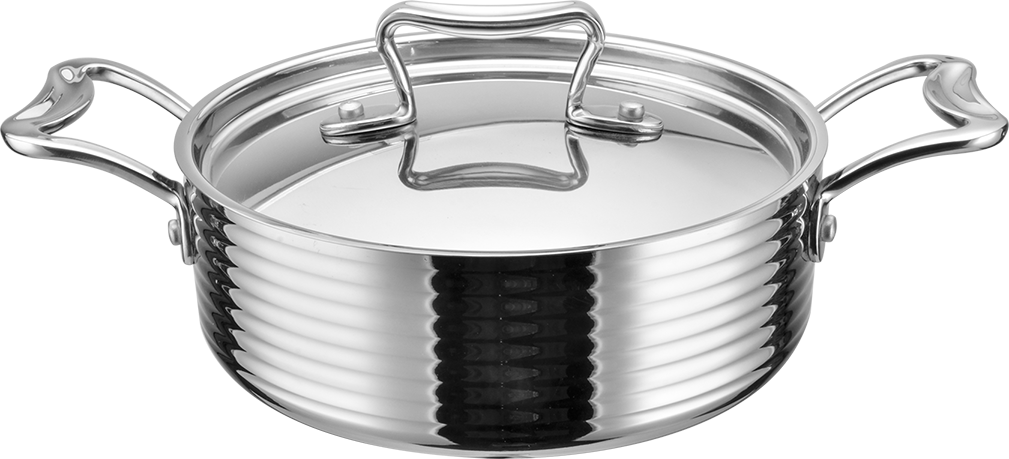
The base metal determines how well a pot cooks. Stripes Cookware utilizes multi-clad stainless steel construction. This provides excellent heat retention capabilities. The heat distribution remains even across the entire cooking surface, eliminating hot spots that burn food. You will notice high responsiveness to temperature changes. When you lower the heat on an induction stove, the pan reacts almost immediately. This prevents delicate sauces from breaking or scorching. Heavy-gauge materials prevent warping over time. A perfectly flat bottom ensures maximum contact with the heat source.
The signature stripes and colors require advanced coating technology. Manufacturers use durable enamel or proprietary ceramic blends baked at high temperatures. These coatings resist thermal shock effectively. They handle high-heat discoloration from gas burners well, though induction is preferred. You must still avoid abrasive cleaning tools. Heavy steel wool will scratch the patterned surface and dull the finish. Proper care keeps the colors vibrant for years. The exterior finish also protects the core metal from oxidation and pitting.
Advanced induction systems require highly magnetic bases to function. We assess the magnetic base efficiency of this cookware carefully. The structural flat-bottom design interacts perfectly with smart-hob sensor matrices. These sensors read the pan's temperature through the glass cooktop. Any warping interrupts this connection and causes cooking errors. A perfectly flat base ensures accurate temperature readings. This allows smart appliances to automate the cooking process reliably, adjusting wattage to maintain a rolling boil or a gentle simmer.
Mapping specific product lines to current design movements helps buyers make confident choices. You want your kitchen tools to reflect your personal style. They should also match the broader design trends of the year without looking out of place.
Moody, nature-inspired cabinetry is highly popular right now. Specific patterns within the catalog pair beautifully with these dark tones. You can create a cohesive, grounded look easily. Kitchens dominated by rich forest greens and clay tones benefit from earthy cookware colors. A deep blue pot looks stunning against a terracotta tile backsplash. These combinations bring warmth and depth to the cooking space. They make the kitchen feel like a living area rather than a sterile laboratory.
Neutral, warm minimalist backgrounds need a focal point to prevent them from looking washed out. You can use bold, striped patterns to create visual interest. Mixing and matching cookware pieces requires a careful strategy. You do not want to disrupt the serenity of a calm space. Choose one or two accent colors and stick to them. A butter yellow kitchen looks great with navy blue striped pots. The contrast highlights the cookware without ruining the room's peaceful vibe.
Displaying patterned cookware against heavily veined marble requires restraint. Follow basic rules of thumb to avoid visual chaos in your design.
Assessing the long-term practical implications of your purchase ensures satisfaction. You need to know how the cookware will perform years from now. Trends change, but high-quality kitchen tools should last for decades.
Highly patterned or colorful cookware carries a slight risk. It might feel dated as design trends evolve past 2026. You need strategies for selecting colorways that offer long-term aesthetic versatility. Classic color combinations usually age better than neon or hyper-trendy shades. Navy and white stripes remain timeless across multiple design eras. Earth tones tend to outlast bright primary colors. Consider how the pattern will look in five years before making a final decision on a large set.
Kitchen automation continues to advance rapidly. The physical footprint of your cookware matters more than ever. Material composition must remain compatible with emerging smart-home cooking ecosystems. Pans with embedded sensors are entering the market, but they are expensive and prone to failure. Traditional clad cookware remains highly relevant because it works perfectly with external induction sensors built into the stove. A heavy, flat base guarantees compatibility with future cooktops. You will not need to replace these pots when you upgrade your stove in ten years.
Comparing the initial investment against industry-standard legacy brands reveals the true value of the product. You must evaluate the warranty terms carefully. Look at replacement policies and customer support infrastructure. Exterior finish degradation is a common issue with colorful cookware if mistreated. A strong warranty protects your investment against manufacturing defects. High-quality construction justifies a higher upfront cost. Cheaper alternatives often warp, lose their non-stick properties quickly, or suffer from chipped enamel after just a few months of heavy use.
Adopting colorful, statement cookware comes with practical challenges. You must plan for storage and maintenance to keep the pieces looking brand new.
Displaying pots on open shelving requires spatial planning and sturdy hardware. Hanging racks need strong ceiling supports anchored directly into joists. You must mitigate the risk of surface scratching when stacking pots. Standard cabinetry often leads to metal-on-metal contact when pulling pans out in a hurry. Use thick felt pan protectors between stacked items. This simple step prevents chipped enamel and scratched patterns. Arrange the most frequently used items on lower shelves for easy access.
Preserving exterior pigment vibrancy requires specific cleaning agents. You must protect the integrity of the striped patterns to maintain the aesthetic value.
| Maintenance Action | Recommended Protocol | Risk of Ignoring Protocol |
|---|---|---|
| Daily Cleaning | Use non-abrasive sponges and mild dish soap. | Micro-scratches dull the exterior finish over time. |
| Temperature Management | Allow pans to cool completely before washing. | Thermal shock causes enamel micro-fractures and warping. |
| Utensil Selection | Use silicone, wood, or nylon utensils exclusively. | Metal utensils scratch the interior and damage the rim. |
| Drying | Dry immediately with a microfiber cloth. | Hard water spots bake into the finish during the next use. |
Avoiding common user errors extends the life of the cookware significantly. Enamel micro-fractures happen when hot pans hit cold water in the sink. Thermal shock ruins both the exterior finish and the core metal structure. Non-stick degradation occurs with excessively high heat and the use of aerosol cooking sprays, which leave a sticky residue. Follow the manufacturer guidelines strictly to ensure longevity.
This cookware successfully bridges the gap between 2026 aesthetic trends and rigorous culinary demands. It fits perfectly into warm minimalist spaces and handles modern induction cooking techniques flawlessly. Design-focused home chefs and open-kitchen owners will find immense value in upgrading their current setups. Budget-conscious buyers or commercial-volume cooks might need to look at heavy-duty, purely utilitarian alternatives. Users of legacy manual gas systems can still enjoy the aesthetic benefits, provided they manage the flame height carefully to protect the exterior finish.
A: Yes. The multi-clad construction includes a magnetic stainless steel base. This ensures high efficiency on modern induction cooktops. The perfectly flat bottom allows smart-sensor hobs to read temperatures accurately without interference.
A: Wash the exterior by hand using mild dish soap and a soft sponge. Avoid abrasive scrubbers and harsh chemical cleaners. Keep gas flames strictly under the base of the pan to prevent scorching the colored sides.
A: Deep earthy reds, organic browns, soft creams, and butter yellows are trending. Striped patterns in complementary or contrasting shades act as visual anchors. They add personality to warm minimalist kitchens without causing visual clutter.
A: While many manufacturers label them dishwasher safe, hand washing is strongly recommended. Harsh dishwasher detergents and high heat cycles will dull the exterior pigments and degrade the patterned finish over time.
A: Traditional cast iron holds heat slightly longer due to its sheer mass. However, the multi-clad stainless steel core in this cookware heats up much faster. It offers superior temperature control and responsiveness while remaining significantly lighter.
A: Choose cookware with subtle, tonal stripes rather than high-contrast colors. Pull one dominant color from the backsplash and match the cookware to that specific shade. This creates harmony and prevents the patterns from clashing visually.
A: Most premium brands cover manufacturing defects, including structural warping or base separation. However, cosmetic damage like exterior chipping, scratching from metal utensils, or pattern peeling due to improper cleaning is typically excluded from warranty coverage.