


Views: 0 Author: Site Editor Publish Time: 2026-07-01 Origin: Site


Modern households constantly balance the desire for an elegant dining table with the harsh reality of daily wear and tear. Traditional tableware materials like ceramic, porcelain, and glass often fail to survive the rigors of a busy kitchen, leading to frequent chipping, shattering, and replacement. On the other end of the spectrum, durable alternatives such as plastic and melamine introduce serious concerns regarding microplastic shedding and chemical leaching when exposed to heat or acidic foods. This creates a frustrating cycle of compromising either safety, durability, or aesthetics.
An objective, evidence-based evaluation reveals that metal alternatives offer a compelling solution to this household dilemma. By integrating Stainless Steel Serveware into your daily routine, you can eliminate breakage entirely. However, this transition requires understanding both its extreme durability and its functional limitations, such as microwave incompatibility. Exploring the physical properties and daily practicalities of steel tableware helps determine if its non-toxic, fracture-resistant nature outweighs the necessary adjustments to your kitchen workflow.
Everyday tableware must survive a chaotic environment. Plates and bowls are routinely dropped on hard tile floors, scraped aggressively by metal cutlery, and subjected to the intense heat and water pressure of daily dishwasher cycles. Traditional materials often suffer structural degradation under these conditions. A reliable daily plate must absorb impact without cracking, resist warping under high heat, and maintain its structural integrity through years of heavy use. True durability means zero risk of shattering during a busy family dinner. When you drop a ceramic plate, you spend ten minutes sweeping up dangerous shards. When you drop a steel plate, you pick it up, wash it, and serve dinner.
We measure impact resistance by looking at how materials handle blunt force. Kitchen floors are unforgiving. Hardwood, ceramic tile, and concrete will destroy standard porcelain instantly. Metal tableware absorbs that kinetic energy. It might suffer a minor dent if dropped from a significant height, but it remains entirely usable. This physical resilience changes how you handle dishes. You stop treating them like fragile artifacts and start using them as robust tools.
The baseline requirement for any food-contact surface is absolute material stability. Tableware must be non-porous and non-leaching. It should never release toxins like BPA, PFAS, or lead, even when holding boiling hot liquids or highly acidic foods like tomato sauce and citrus dressings. Inert food-grade metals provide a safe alternative to poor-quality ceramics, which sometimes rely on glazes containing trace heavy metals like lead or cadmium to achieve vibrant colors. A safe plate remains chemically neutral regardless of what you serve on it.
Material stability also means resisting degradation over time. Plastics break down. They develop micro-abrasions that harbor bacteria and shed microscopic particles into your meals. Melamine can blister and release formaldehyde compounds when exposed to microwave radiation or boiling soups. High-quality steel bypasses these chemical hazards entirely. It forms a passive chromium oxide layer that prevents the underlying iron from reacting with your food, ensuring every meal remains uncontaminated.
Low-maintenance care is critical for daily usability. Families do not have time for hand-washing delicate items. Everyday plates must resist permanent stains from spices like turmeric, reject odor retention from strong ingredients like garlic or fish, and handle heavy-duty dishwasher detergents without degrading. The ideal material allows you to scrape off food remnants, load it into the bottom rack of the dishwasher, and retrieve it perfectly clean without special handling or gentle cycles.
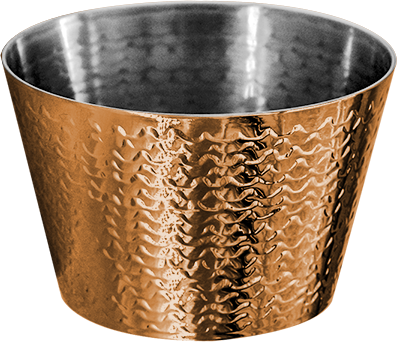
The physical properties of steel make it virtually immune to the common failures of kitchenware. It will not chip when banged against a granite countertop. It will not crack when transferred from a cold fridge to a hot sink. Under normal household conditions, high-quality steel plates simply do not shatter or warp. This fracture resistance provides peace of mind, especially in busy households where accidental drops are a daily occurrence.
Consider the lifespan of a standard ceramic bowl. It might last five years before a careless bump against the sink edge chips the rim. Once chipped, it becomes a safety hazard and a bacterial breeding ground. Steel bowls bypass this failure mode entirely. They endure decades of aggressive use, surviving multiple moves, outdoor excursions, and daily dishwasher cycles without losing their structural integrity.
Steel features a completely non-porous surface. Microscopic pores in other materials can harbor bacteria, trap lingering food odors, and absorb permanent stains. Because steel lacks these pores, it remains exceptionally hygienic. You can serve a heavily spiced curry or a vibrant beet salad without fear of permanently discoloring the plate. A simple wash removes all traces of the previous meal, leaving a sterile, neutral surface ready for the next use.
This non-porous nature is particularly beneficial for households that cook with pungent ingredients. Garlic, onions, and strong fish oils wash away effortlessly. Unlike plastic containers that retain the smell of last week's leftovers, steel resets completely after a standard wash. This ensures that your morning pancakes do not taste like last night's garlic chicken.
Metal tableware offers incredible dual-use capability. Modern designs are elegant enough for an indoor dinner party, yet rugged enough to take outside. You can confidently carry these plates to outdoor patios, pack them for camping trips, use them in RVs, or hand them to young children without worrying about broken shards. This versatility reduces the need to own separate sets of fragile indoor dishes and flimsy outdoor plastic plates.
For outdoor enthusiasts, steel is the ultimate utility material. It packs flat, withstands the rough handling of a camp box, and can even be placed near a campfire to keep food warm. In an RV, where cabinet space is limited and road vibrations cause glass to shatter, steel plates stack quietly and securely. They bridge the gap between refined indoor dining and rugged outdoor utility.
The sleek, modern, neutral silver tone of steel acts as a visual canvas for your meals. Instead of competing with your food, the metallic finish allows colorful culinary creations to stand out. It pairs effortlessly with vibrant cloth napkins, rustic wooden tables, or minimalist dining room decor. This neutral integration means you do not have to constantly update your tableware to match changing interior design trends.
A brushed steel plate provides a subtle, industrial elegance. It reflects ambient light without the harsh glare of a mirror polish. When plated with bright green asparagus, rich red steaks, or vibrant yellow curries, the food becomes the focal point. The tableware supports the presentation rather than distracting from it.
The most significant workflow disruption when switching to metal plates is the inability to use a microwave. You cannot simply plate leftovers and heat them directly. This requires transferring food to a secondary microwave-safe container for reheating before moving it back to the dining plate. For households accustomed to microwave convenience, this extra step requires a noticeable adjustment in daily meal preparation habits.
This limitation forces a change in how you handle leftovers. You must heat food in glass or ceramic storage containers, or reheat it on the stovetop, before serving. While this adds a step to the process, many find that stovetop reheating yields better culinary results anyway. However, for quick, single-plate microwave meals, steel is fundamentally incompatible.
Many users object to the metal-on-metal scraping noise that occurs when using steel forks and knives on steel plates. This auditory feedback can be jarring during a quiet meal. To mitigate this tactile issue, you can pair your metal serveware with wooden, silicone, or high-quality resin-coated utensils. Adjusting your cutting technique to avoid heavy downward pressure also significantly reduces the scraping sound.
The tactile sensation of a fork hitting a metal plate is distinctly different from hitting ceramic. It feels harder and sounds sharper. Some people adapt to this quickly, while others find it persistently annoying. If you serve a lot of meals that require aggressive cutting, such as thick steaks, you will notice this auditory feedback more frequently.
Single-wall steel transfers heat rapidly. If you serve boiling hot soup in a basic steel bowl, the exterior becomes uncomfortably hot to hold, while the food inside may cool down faster than it would in a thick ceramic bowl. Conversely, serving ice-cold desserts causes external sweating. This condensation can leave water rings on wooden tabletops. Utilizing placemats or opting for double-walled designs helps manage these thermal transfer issues.
Double-walled construction solves the heat transfer problem entirely. By trapping a layer of air (or a vacuum) between two sheets of steel, the exterior remains cool to the touch even when filled with boiling liquid. This design also keeps hot food hot and cold food cold for significantly longer periods. However, double-walled items are bulkier and take up more cabinet space.
While steel will not break, it is subject to cosmetic wear. Serrated steak knives and abrasive scouring pads will create micro-scratches on the surface over time. These scratches do not affect the safety or hygiene of the plate, but they do alter its appearance. Accepting this natural patina is part of owning metal tableware, much like accepting the seasoning on a cast-iron skillet.
You cannot keep a steel plate looking brand new forever. The first few scratches might be frustrating, but eventually, they blend into a uniform patina. Choosing a brushed finish from the start helps mask these scratches, as the factory finish already features a directional grain that hides minor abrasions.
There is a psychological barrier associated with metal plates. Some users feel they resemble cafeteria trays or camping gear, which can detract from a refined dining experience. Overcoming this stigma involves choosing modern, well-designed pieces with hammered textures, brushed finishes, or elegant curves that clearly distinguish them from utilitarian institutional ware.
Design matters. A flat, stamped piece of thin metal feels cheap. A heavy-gauge plate with a rolled edge and a hammered texture feels artisanal. By selecting pieces that prioritize design and weight, you elevate the dining experience and distance the tableware from its institutional associations.
Metallurgical differences dictate performance. The 304 series is the standard food-grade steel, offering excellent rust resistance for daily kitchen use. The 316 series, often called marine grade, includes molybdenum for even higher corrosion resistance, making it premium but often unnecessary for basic dining. The 200 series should be strictly avoided; it replaces expensive nickel with manganese, resulting in a low-quality metal that is highly susceptible to rust and metallic tastes.
When evaluating tableware, always check the manufacturer's specifications. If a product simply says "stainless steel" without specifying the series or grade, it is likely the inferior 200 series. The 304 series provides the optimal balance of corrosion resistance, durability, and workability for kitchen applications.
When you see numbers like 18/8 or 18/10, they represent the percentages of Chromium and Nickel in the alloy. Chromium (18%) provides essential rust resistance by forming a passive oxide layer. Nickel (8% or 10%) adds luster, enhances corrosion resistance, and improves the overall durability of the metal. You should establish 18/8 as the absolute minimum acceptable standard for any tableware that will see daily use and frequent washing.
The difference between 18/8 and 18/10 is minimal in practical daily use. Both fall under the 304 series umbrella. The slightly higher nickel content in 18/10 gives it a slightly brighter polish and marginally better resistance to highly acidic foods, but both grades will perform exceptionally well in a standard household kitchen.
Metal thickness, referred to as gauge, directly impacts performance. Lower gauge numbers indicate thicker metal. A thicker plate resists denting if dropped, prevents heat-warping in the dishwasher, and feels substantial and premium in the hand. Thin, high-gauge plates feel flimsy, lose their shape easily, and exacerbate the institutional feel that many buyers want to avoid.
A good steel plate should have noticeable heft. It should not flex when you press down on the center with your thumb. This rigidity ensures that the plate remains flat on the table and does not warp when exposed to the high heat of a dishwasher drying cycle.
| Feature | Stainless Steel | Ceramic / Porcelain | Tempered Glass | Plastic / Melamine |
|---|---|---|---|---|
| Durability | Extreme (Unbreakable) | Moderate (Prone to chipping) | Moderate (Can shatter) | High (Can scratch/melt) |
| Microwave Safe | No | Yes (Usually) | Yes | Varies (Health risks) |
| Toxicity Risk | None (Inert) | Low (Unless poor glaze) | None | High (Microplastics/Leaching) |
| Heat Retention | Poor (Unless double-walled) | Good | Moderate | Poor |
Steel offers extreme physical durability compared to the aesthetic variety and microwave convenience of ceramics. When a ceramic plate chips, it exposes the porous clay underneath. This exposed clay absorbs moisture and becomes a breeding ground for bacterial growth. Steel, being a solid, un-plated material throughout, never presents this hazard. Even if heavily scratched, it remains completely sanitary and safe for food contact.
Ceramics excel in heat retention and microwave compatibility. A thick ceramic bowl keeps soup warm for a long time. However, that same bowl is fragile. If you value longevity and fracture resistance over microwave convenience, steel is the superior choice.
Tempered glass is popular for its clean look and microwave safety. However, it carries a distinct weight penalty and remains vulnerable to thermal shock. Moving a hot glass dish to a cold granite counter can cause it to explode into thousands of pieces. Steel eliminates this shatter-risk entirely. While a severe drop might dent a steel bowl, it will never create dangerous shards on your kitchen floor.
Glass is also heavy. A stack of ten tempered glass plates requires significant effort to lift and puts strain on cabinet shelves. Steel plates are lighter than thick glass, making them easier to handle, wash, and store in large quantities.
Alternative unbreakable materials come with severe compromises. Bamboo degrades over time and requires careful hand-washing. Standard plastics shed microplastics into your food, especially when cut upon with sharp knives. Melamine, while durable, poses significant heat-leaching risks and should never be used with hot soups or boiling liquids. Steel provides a permanent, non-toxic alternative that bypasses all these chemical and longevity concerns.
Plastics and melamine also suffer from aesthetic degradation. They absorb tomato stains, develop a cloudy appearance after repeated dishwasher cycles, and warp under high heat. Steel maintains its structural and chemical integrity indefinitely, making it the only truly permanent unbreakable option.
Metal plates excel during the first half of the day. They are a seamless fit for quick, cold-to-room-temperature meals like morning cereals, fresh fruit, salads, and sandwiches. During these meals, thermal transfer is a non-issue, and microwaving is rarely required. The plates can be quickly rinsed or tossed in the dishwasher, streamlining your morning routine and making lunch cleanup effortless.
For a quick breakfast of toast and eggs, a steel plate is perfect. It requires no special handling. You can eat, drop the plate in the sink, and head out the door. The low-maintenance nature of the material shines during these fast-paced meals.
Evening meals often involve hot, complex dishes, requiring a slight adjustment curve. Serving a hot steak or a steaming pile of pasta on a single-wall metal plate means the food may cool faster, and the plate bottom will be hot to the touch. For dinner performance, utilizing double-walled insulated bowls and platters is highly recommended. These designs keep the food warm longer while ensuring the exterior remains perfectly safe and comfortable to handle.
If you use single-wall plates for hot dinners, you must use placemats to protect your wooden tables from heat damage. You also need to be mindful when carrying a hot plate from the kitchen to the dining room. Holding the plate by the rim, rather than the bottom, prevents uncomfortable heat transfer to your hands.
The most common mistake is purchasing cheap, imported plates made from thin, low-gauge metal. These items dent easily upon impact, warp under the heat of a dishwasher drying cycle, and feel incredibly flimsy. A plate that bends when you press down with a fork ruins the dining experience. Always prioritize heavy-gauge construction for a solid, reliable feel.
You can usually identify thin metal by its weight. If a dinner plate feels lighter than a standard plastic frisbee, it is too thin. Look for products that specify their gauge or weight, and avoid anything that feels easily pliable.
Selecting a mirror-polished finish for daily tableware is a recipe for frustration. Mirror finishes highlight every single water spot, fingerprint, and knife scratch. Instead, advise your household to select brushed or matte finishes. A brushed texture naturally hides inevitable wear and tear, maintaining a clean, uniform appearance even after years of aggressive daily use.
A mirror finish looks beautiful in a display cabinet but fails in a working kitchen. The first time you use a steak knife on a mirror-polished plate, you will leave a permanent, highly visible scratch. Brushed finishes absorb these scratches into their existing grain pattern.
Pairing heavy-duty, serrated metal cutlery with delicate steel plates accelerates unsightly wear. Aggressive sawing motions with sharp steak knives will dig into the metal surface. To preserve the aesthetic of your plates, avoid using overly aggressive serrated blades when possible, or transition to softer utensil materials if the scraping noise and visual scratches become bothersome.
If you must use heavy serrated knives, accept that your plates will develop a heavy patina. This does not damage the functionality of the plate, but it does change its look. Educating your family to cut with moderate pressure rather than sawing aggressively helps minimize this wear.
While highly durable, steel is not invincible to chemical abuse. Critical maintenance errors include using chlorine bleach, which actively attacks the metal. Soaking plates in heavily salted water for prolonged periods can cause pitting. Scrubbing with abrasive steel wool compromises the protective chromium oxide layer, leading to rust spots. Stick to standard dish soap, soft sponges, and regular dishwasher cycles to ensure longevity.
If you encounter stubborn burnt-on food, do not reach for the steel wool. Instead, soak the plate in warm water with a little dish soap and baking soda. The food will release easily without requiring abrasive scrubbing that damages the metal's finish.
Transitioning to metal tableware requires a shift in kitchen habits, specifically regarding microwave use and heat management. However, the benefits of extreme durability, absolute hygiene, and chemical safety make it a highly practical choice for busy households. Implement these steps to successfully integrate this material into your daily routine.
A: Yes, it is completely safe. High-quality 304 series steel is non-toxic and will not leach chemicals into hot food. However, single-wall plates will transfer heat quickly, making the bottom hot to the touch, so handle them carefully or use placemats.
A: Food-grade 18/8 or 18/10 steel is non-reactive and will not alter the taste of your food. Metallic tastes usually only occur if you use low-quality 200 series steel or if the protective chromium layer has been severely damaged by bleach or rust.
A: Absolutely. They are highly dishwasher safe. They will not warp, crack, or degrade under high water pressure or standard dishwasher detergents. Just avoid using detergents that contain chlorine bleach.
A: The 18/10 designation means the alloy contains 18% chromium and 10% nickel. The higher nickel content provides superior rust resistance, a brighter luster, and better overall protection against corrosion from acidic foods compared to lower grades.
A: They will develop micro-scratches over time from metal cutlery, especially serrated knives. This is normal cosmetic wear and does not affect the safety or hygiene of the plate. Choosing a brushed matte finish helps hide these scratches naturally.
A: To eliminate the metal-on-metal scraping noise, you can switch to wooden, bamboo, or high-quality silicone-coated utensils. Additionally, using a lighter touch when cutting food significantly reduces the auditory feedback.