


Views: 0 Author: Site Editor Publish Time: 2026-07-03 Origin: Site


Premium cookware represents a significant capital investment for any kitchen. Treating high-end pans like disposable hardware accelerates degradation, compromises cooking performance, and destroys your return on investment. Buyers evaluating or currently using premium pans often rely on generic, outdated cleaning advice. Practices like harsh scouring or immediate cold-water soaking cause thermal shock, micro-abrasions, and permanently compromised cooking surfaces.
To protect your investment, you must establish a baseline of evidence-based maintenance protocols specifically engineered for the Stripes Cookware collection. Implementing proper care routines ensures sustained non-stick performance, maintains structural integrity, and ensures strict warranty compliance. The following guide outlines the exact steps required to clean, maintain, and preserve your cookware for decades of reliable use.
Defining success for premium cookware involves three primary metrics: consistent heat distribution, effortless food release, and a functional lifespan measured in decades. Achieving these outcomes requires a fundamental understanding of how daily maintenance impacts material integrity. Neglecting basic care protocols inevitably leads to hot spots, sticking food, and structural warping. When you invest in high-quality kitchen equipment, the maintenance routine you adopt directly dictates the performance you extract from that equipment over time.
The specific material construction of the Stripes Cookware lineup dictates its required maintenance level. Multi-clad stainless steel relies on layers of conductive metals to distribute heat evenly across the cooking surface. Aggressive cleaning methods or sudden temperature changes stress these bonded layers. The conceptual trade-off is clear: the short-term convenience of automated, aggressive cleaning methods directly causes the long-term financial burden of replacing prematurely damaged cookware. You must treat the metal as a dynamic material that responds to heat, friction, and chemical exposure.
Consider the mechanics of heat transfer. A warped pan loses flat contact with the induction or electric burner. This creates dead zones where food remains raw and hot spots where oil burns instantly. Maintaining the perfectly flat base of your pans is not just about aesthetics; it is a strict functional requirement for proper cooking. By adhering to the maintenance protocols outlined below, you preserve the structural geometry of the pan, ensuring that every meal cooks evenly and predictably.
| Material Type | Primary Vulnerability | Maintenance Focus |
|---|---|---|
| Multi-Clad Stainless Steel | Thermal shock warping, heat tint | Gradual cooling, acid-based stain removal |
| Ceramic Non-Stick | Micro-abrasions, coating degradation | Soft sponges, low-heat cooking, wood utensils |
| Hard-Anodized Aluminum | Chemical stripping from harsh detergents | Mild dish soap, hand-washing only |
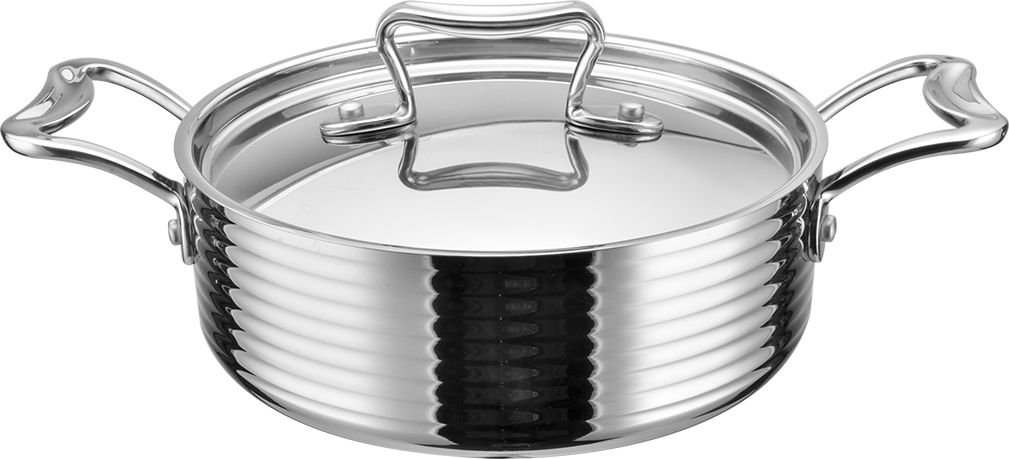
Understanding the physics of thermal shock is the first step in proper daily maintenance. Running cold water over a hot pan causes the metal to contract rapidly and unevenly. This breaks down the structural bond of multi-clad metals and permanently warps the base, leading to uneven cooking surfaces that pool oil and burn food. You must allow the pan to cool naturally on the stovetop or a heat-resistant surface before introducing any moisture.
Different surface finishes require distinct cleaning approaches to maintain their integrity. Applying the wrong cleaning friction to a specific material accelerates wear and ruins the cooking experience.
Consistency in your washing routine prevents the gradual buildup of invisible grease layers. Follow this sequence after every cooking session:
Immediate and thorough towel-drying is mandatory. Trapping residual moisture by putting pans away damp or nesting them in closed cabinets leads to mineral buildup, hard water spots, and potential edge oxidation. Air-drying often leaves water spots derived from calcium and magnesium in your tap water, which can interfere with the pan's surface performance over time.
When standard daily cleaning falls short, you must employ targeted deep cleaning strategies. Commercial specialty cleaning powders designed for stainless steel offer powerful results, but gentle household chemical reactions using baking soda and distilled white vinegar often provide a safer, highly effective alternative for routine deep cleaning. You want to lift the stain chemically rather than grinding it away physically.
Polymerized oil and carbonized food require specific techniques to remove without damaging the cooking surface. The 20-Minute Baking Soda Paste Method is highly effective for localized stains. Create a thick paste using three parts baking soda to one part water. Apply this paste directly to the carbonized area and let it sit for precisely 20 minutes. This allows the alkaline mixture to safely lift stubborn organic matter without requiring heavy scrubbing.
For severe, baked-on grease covering a larger area, utilize the Stovetop Simmer Method. Mix two tablespoons of baking soda with enough water to cover the bottom of the pan. Simmer this mixture on low heat for 10 to 15 minutes. The combination of heat and the alkaline reaction releases carbonized debris, allowing you to wipe it away with a wooden spoon or silicone spatula while the water is still warm.
| Stain Type | Visual Indicator | Recommended Cleaning Method |
|---|---|---|
| Polymerized Oil | Sticky, amber or brown residue on edges | Baking soda paste (20-minute soak) |
| Carbonized Food | Black, hard, crusty patches | Stovetop simmer method with baking soda |
| Heat Tint | Rainbow discoloration on stainless steel | Diluted white vinegar wipe |
| Mineral Deposits | Chalky white spots after drying | Lemon juice or mild acid wash |
Stainless steel surfaces occasionally develop protein stains, white mineral deposits, or a rainbow discoloration known as heat tint. To restore the pan to its factory-level aesthetic performance, apply diluted white vinegar or a squeeze of fresh lemon juice to the affected area. Wipe gently with a soft cloth and rinse thoroughly. The mild acidity neutralizes the mineral scaling and removes the oxidation causing the heat tint. Never use bleach or ammonia-based cleaners, as these will pit the stainless steel and cause irreversible structural damage.
Preventative maintenance begins before you even start cleaning. High heat is rarely necessary for Stripes Cookware due to its superior heat-retention and distribution properties. Excessive heat degrades surface coatings, bakes on food, and increases the likelihood of thermal warping. Always stick to low or medium heat settings. Allow the pan to preheat slowly; blasting a cold pan with maximum heat shocks the metal just as severely as cold water on a hot pan.
Utensil selection is equally critical for mitigating risk. Metal utensils cause micro-scratches that eventually cause food to stick and degrade the pan's surface. Mandatory use of wood, silicone, or specialized plastic tools preserves the cooking surface. Even if a manufacturer claims a pan is "metal utensil safe," avoiding metal tools extends the pristine condition of the cooking surface by years.
Proper storage solutions prevent physical damage when the pans are not in use. Nesting or stacking pans directly on top of one another causes metal-on-metal friction. Utilize felt pan protectors between stacked items, install dedicated vertical racks, or use hanging solutions to preserve both the interior cooking surface and the exterior finish. Scratches on the exterior base can also damage glass or ceramic stovetops, making proper storage a dual-purpose safety measure.
The convenience of dishwashers comes with severe trade-offs. Dishwasher detergents contain abrasive silicates and harsh chlorine, while the machines utilize prolonged high-heat drying cycles. These factors rapidly degrade premium cookware finishes. Hand-washing remains the only verifiable method to guarantee maximum lifespan. The aggressive water jets in a dishwasher can also force abrasive particles into the microscopic pores of the metal, dulling the finish over time.
You must explicitly avoid steel wool, heavy-duty green scouring pads, and oven cleaners. These tools inflict immediate physical and chemical damage on the cookware, stripping away polished finishes and destroying non-stick properties. Once the surface is deeply scratched, it becomes a magnet for burnt food, requiring even more aggressive cleaning in a vicious, destructive cycle.
Furthermore, aerosol cooking sprays present a hidden danger. The emulsifiers in commercial non-stick sprays, such as soy lecithin, polymerize at relatively low temperatures. This creates an invisible, sticky residue that builds up over time, ultimately ruining the pan's natural release properties. Always use pure cooking oils or fats instead. Apply a small amount of liquid oil or butter directly to the pan and distribute it evenly with a silicone brush or paper towel.
The durability and performance of your cookware are directly proportional to your adherence to proper temperature management and gentle cleaning protocols. Buyers evaluating this cookware must factor in a few extra minutes of hand-washing as a necessary, high-return trade-off for professional-grade cooking performance. To ensure your investment remains protected, take the following actions:
A: While some lines may claim dishwasher safety, hand-washing is strongly recommended. Dishwasher detergents contain harsh abrasives and chlorine that degrade the surface finish and reduce the overall lifespan of the pan.
A: Simmer water mixed with two tablespoons of baking soda on low heat for 10 to 15 minutes. This lifts the carbonized debris safely, allowing you to wipe it away with a non-scratch sponge.
A: Apply a thick paste of baking soda and water directly to the stubborn stain and let it sit for exactly 20 minutes before gently scrubbing and rinsing.
A: Food typically sticks due to polymerized oil buildup from aerosol cooking sprays, micro-scratches from metal utensils, or cooking at excessively high temperatures. Deep cleaning with baking soda can help restore the surface.
A: Yes, baking soda is a mild, non-abrasive alkaline powder that safely breaks down organic matter and grease without scratching the premium surface finish.
A: Yes. The emulsifiers in aerosol sprays polymerize at low temperatures, creating a sticky, invisible residue that degrades the pan's natural food release properties over time.