


Views: 0 Author: Site Editor Publish Time: 2026-07-02 Origin: Site


Finding the right balance between kitchen aesthetics and culinary performance remains a persistent challenge for home cooks. Many buyers invest heavily in visually striking pots and pans, only to face warping bases, degraded coatings, or induction incompatibility within the first year. Choosing cookware based on surface-level design often leads to frustration when the pans fail to distribute heat evenly or withstand daily use.
This guide shifts the focus from piece-count marketing to rigorous, use-case-driven evaluation. We examine material composition, thermal efficiency, non-toxic safety standards, and long-term maintenance realities. By analyzing the top sets available in 2026, you will learn how to select pieces that maintain their visual appeal without sacrificing structural durability or material safety. We break down the exact thermal properties and daily utility of each option.
A high-performing cookware set in 2026 must deliver even heat distribution, eliminating hot spots that burn food. Ergonomic weight balance, secure handle riveting, and reliable lid seals separate premium tools from frustrating kitchen clutter. We define success by how well these pans handle daily tasks without requiring constant babying. You need pans that sit flat on glass cooktops and handles that do not loosen after a few months of flipping heavy ingredients.
Expert testing relies on standardized benchmarks to measure true performance. The "Egg Slide" release test simulates multi-year use to track non-stick degradation over time. We run this test after subjecting the pans to hundreds of thermal cycles. Thermal imaging maps heat distribution across gas, electric coil, and induction stovetops, revealing hidden hot spots. Finally, thermal shock resilience testing assesses a pan’s resistance to warping when transitioning rapidly from high heat to cold water. A pan that warps becomes useless on induction and glass-top stoves.
Evaluating core materials is essential. Thermal conductivity dictates how quickly aluminum or copper cores respond to temperature adjustments. Surface integrity testing evaluates durability against metal utensils, acidic foods, and abrasive cleaning, while confirming PFAS-free safety profiles. We also analyze scalability and storage, ensuring the set covers standard cooking techniques like sautéing, boiling, and searing without requiring supplemental specialty pans.
| Material Type | Thermal Conductivity | Durability Profile | Primary Cooking Use Case |
|---|---|---|---|
| Ceramic Non-Stick | High (Aluminum Core) | Low to Medium (Prone to micro-abrasions) | Eggs, delicate fish, low-oil cooking |
| Tri-Ply Stainless Steel | Medium-High (Clad Core) | Extreme (Generational lifespan) | Searing meats, deglazing, acidic sauces |
| Hard-Anodized Aluminum | High | High (Scratch and dent resistant) | High-volume family meals, daily frying |
| Enameled Cast Iron | Low (High Retention) | High (Prone to chipping if dropped) | Slow braising, deep frying, baking |
Understanding these material differences prevents buyer's remorse. You cannot treat a ceramic pan like a cast iron skillet. The thermal dynamics of each material dictate the heat settings you use and the cleaning methods you apply. We evaluate how these materials perform under real kitchen stress, not just how they look fresh out of the box.
This ceramic non-stick collection serves as an ideal entry-level solution for starter kitchens and simple meals. The lightweight aluminum body ensures rapid, even heating across the cooking surface. A multi-layer ceramic coating allows for low-oil, healthy cooking and immediate food release. You will find this set perfect for delicate foods like eggs, pancakes, and flaky white fish.
The set offers high convenience and effortless cleanup. You can wipe these pans clean with a paper towel in most cases. However, it sacrifices high-heat searing capabilities and typically has a shorter overall lifespan than bare metal alternatives. The ceramic layer degrades faster if you subject it to high heat or rapid temperature changes.
Users must avoid abrasive sponges and metal utensils to prevent micro-abrasions. Even small scratches compromise the non-stick properties. Additionally, these pans are not compatible with high-heat oven broiling. You must keep oven temperatures below the manufacturer's specified limit to prevent the coating from breaking down and losing its slick surface.
Storage requires care. Stacking these pans without protective felt pads will scratch the ceramic coating. The lightweight nature makes them easy to handle, but they lack the thermal mass to hold heat once you add cold ingredients. This means you need to cook in smaller batches to maintain a consistent pan temperature.
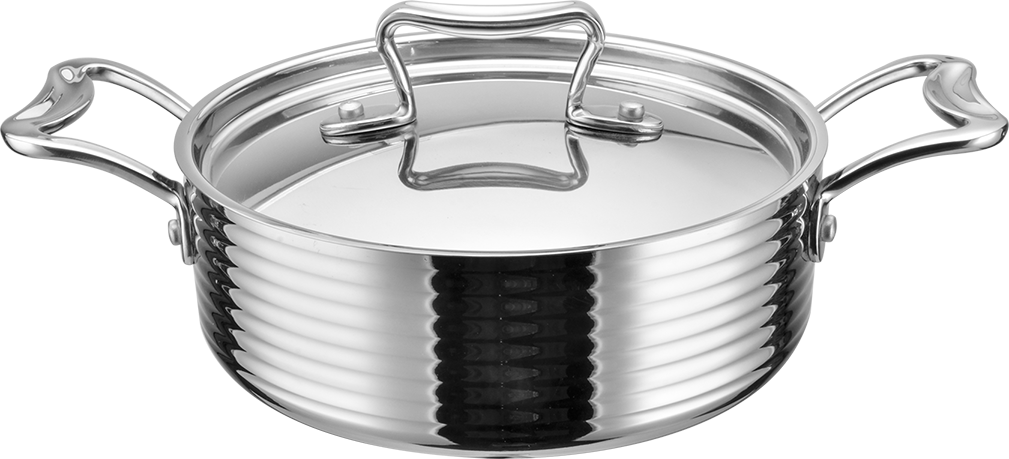
Designed for enthusiast cooking and generational durability, this set features a fully clad aluminum core surrounded by 18/10 stainless steel. This construction delivers superior heat retention and commercial-grade scratch resistance. It allows cooks to execute aggressive searing and deglaze pans to build rich sauces. You can take a steak from a stovetop sear directly into a hot oven without worrying about damaging the pan.
While it offers dishwasher-safe resilience and a lifetime of use, it requires a steeper learning curve for temperature control to prevent food from sticking. The physical weight is heavier than aluminum sets. You will feel the difference when tossing vegetables or pouring liquids. The heavy base prevents warping and ensures full contact with induction burners.
Cooks must master pre-heating techniques, such as the Leidenfrost water drop test, to achieve natural non-stick properties. You heat the pan until a drop of water beads up and glides across the surface like mercury. Once you hit this temperature, you add oil and then your food. This creates a vapor barrier that prevents proteins from bonding to the steel.
Cleaning stainless steel requires different tactics. While you can put them in the dishwasher, hand washing with a specialized stainless steel cleaner keeps them looking new. Burnt-on oil polymerizes on the sides, requiring occasional scrubbing. However, you never have to worry about scratching a non-stick coating, making these pans incredibly robust for daily, heavy-duty cooking.
Built for high-volume family cooking, this collection maximizes daily durability. The oxidized aluminum exterior resists scratching, denting, and warping under heavy use. A reinforced multi-layer non-stick interior handles daily meal prep, including frying, sautéing, and boiling, with minimal maintenance required. The anodization process hardens the aluminum, making it twice as hard as stainless steel.
This set strikes an excellent balance between durability, heat conduction, and non-stick convenience. The thick aluminum core responds quickly to burner adjustments, giving you precise control over simmering sauces. The main trade-off is a darker, less vibrant aesthetic compared to ceramic lines. You get a utilitarian look that prioritizes function over bright colors.
Hand-washing is strictly required. Harsh dishwasher detergents will degrade the anodized exterior and dull the finish over time. The high heat and caustic chemicals in a dishwasher strip the protective oxidized layer, leading to chalky discoloration. Fortunately, the non-stick interior makes hand washing a quick, painless process.
The 12-piece configuration provides excellent utility. It includes multiple skillet sizes and large stockpots suitable for batch cooking. Unlike bloated sets, every piece in this collection serves a distinct purpose for a family cooking multiple meals a day. The riveted handles stay cool on the stovetop, providing a secure grip when moving heavy pots full of liquid.
This specialty set excels at oven-to-table roasting and braising. An enameled exterior combined with a heavy cast-iron core provides unmatched thermal mass. It is perfect for deep frying, slow braising, baking bread, and maintaining food temperature at the dining table. The cast iron absorbs heat slowly but holds it for a long time, providing a steady, even cooking environment.
The exceptional heat retention and aesthetic presentation come with highly specialized use cases. It is not practical for quick, low-prep tasks like boiling water or flipping eggs. You will spend more time preheating these heavy pots than you would cooking a quick breakfast. The enamel coating prevents rusting and eliminates the need for traditional cast iron seasoning.
The extreme physical weight makes handling difficult for some users. A large Dutch oven filled with stew can weigh over fifteen pounds. You need strong wrists and secure grips to move these pieces safely. Careful storage is necessary to prevent enamel chipping on impact. Banging these pots against granite countertops or other metal pans will cause the glass-like enamel to fracture.
Despite the weight and care requirements, this set produces superior results for specific dishes. The heavy lids trap moisture, creating a self-basting environment ideal for tough cuts of meat. The enameled surface handles highly acidic foods like tomato sauces without reacting or imparting a metallic taste to your food.
Targeting urban apartments, RV kitchens, and limited storage spaces, this set features removable handles and flat-stacking lids. The entire collection fits within a single compact cabinet drawer. The pans easily double as oven-safe baking dishes and convenient leftovers storage containers. You simply remove the handle, snap on a plastic storage lid, and place the pan directly in the refrigerator.
While it maximizes spatial efficiency and versatility, the primary trade-off is reliance on the proprietary removable handle mechanism. This introduces a mechanical point of failure. The handle clamps onto the rim of the pan, and over time, the internal springs and grips can wear out. You must keep the handle clean and free of grease to ensure a secure lock.
If the handle breaks or is lost, the pans lose their stovetop utility until a replacement is sourced from the manufacturer. You cannot safely move a hot pan full of food without the specific handle designed for the set. The flat-stacking glass lids feature folding knobs, allowing them to sit flush against each other in a drawer.
The cooking performance mirrors standard aluminum non-stick pans. They heat up quickly and provide good food release. However, the lack of a permanently attached handle means you cannot perform aggressive tossing or flipping techniques. You must rely on spatulas to turn food. This set solves a specific storage problem but requires you to adapt your cooking style.
When comparing the stainless steel options against hybrid laser-etched non-stick pans, buyers must weigh absolute searing power and lifetime durability against scratch-resistant convenience. Bare stainless steel requires technique but lasts forever. You can use metal whisks, aggressive scouring pads, and high heat without fear. Hybrid meshes offer easier cleanup but still rely on a PTFE or ceramic base layer that has a finite lifespan.
In the ceramic category, evaluating thermal core efficiency and price-to-performance ratio is crucial. While mainstream design-forward ceramic brands dominate social media, assessing actual heat distribution and coating longevity often reveals better value in function-first designs. A thicker aluminum core prevents the pan from warping, which is a common failure point in cheaper, highly marketed ceramic pans.
| Feature | Tri-Ply Stainless | Hybrid Mesh Non-Stick | Pure Ceramic Non-Stick |
|---|---|---|---|
| Searing Capability | Excellent | Good | Poor |
| Lifespan | Lifetime | 5-7 Years | 2-4 Years |
| Metal Utensil Safe | Yes | Yes (mostly) | No |
| Dishwasher Safe | Yes | Yes (Hand wash recommended) | No |
Vibrant exteriors require careful hand-washing to prevent carbon buildup and staining. Oil drips down the side of a pan and bakes onto the exterior. On a brightly colored ceramic pan, this creates ugly brown stains that are difficult to remove without scratching the paint. Conversely, bare stainless steel easily handles heavy scouring and aggressive cleaning with powdered abrasives.
Analyze the cost-per-useful-piece before buying. Avoid bloated 14-piece sets where six items are low-value accessories like plastic spoons or tiny egg pans that do not contribute to actual cooking utility. You are better off spending the same amount of money on a high-quality 8-piece set where every pot and pan gets used weekly.
Frame your choice between replacing non-stick sets every few years or investing in a lifetime stainless steel set that requires more cooking skill but never wears out. Non-stick cookware is a consumable item. The coating will eventually degrade, regardless of how much you spend. Stainless steel is an asset that you buy once.
Preserving the finish and coating requires strict mitigation protocols. Avoid aerosol cooking sprays entirely. These sprays contain propellants and emulsifiers like soy lecithin that burn at low temperatures. This causes irreversible polymer buildup on non-stick surfaces, creating a sticky residue that ruins the pan's release properties. Use pure oil in a pump sprayer instead.
Utilize silicone or wood utensils exclusively on non-stick surfaces. Even if a manufacturer claims their coating is metal-utensil safe, using metal will accelerate wear. Always allow pans to cool completely before washing. Throwing a hot pan into a sink full of cold water causes thermal shock. The metal contracts rapidly, leading to a permanently warped base that will spin like a top on flat stoves.
Managing induction cooktop nuances involves ensuring proper contact and sizing. Match the pan base diameter to the induction burner. Using an undersized pan on a large burner often results in poor magnetic engagement. The stove may fail to recognize the pan, or it may heat unevenly, creating cold spots around the edges. Heavy, flat bases are mandatory for induction efficiency.
Understand standard cookware warranty limitations. Lifetime warranties typically cover manufacturing defects like loose rivets, delamination of clad layers, or broken handles. They rarely cover user-inflicted coating degradation, high-heat discoloration, or dishwasher damage to anodized surfaces. Read the fine print before assuming a scratched non-stick pan will be replaced for free.
Selecting the right cookware requires matching the material properties to your daily cooking habits and maintenance tolerance. There is no single perfect set for every kitchen. You must evaluate how you cook, what kind of stove you use, and how much time you are willing to spend cleaning up after a meal.
A: Compatibility varies by set. The Tri-Ply Stainless and specific hard-anodized models feature magnetic steel bases required for induction. Always verify the product specifications for induction compatibility before purchasing.
A: Yes, the 2026 ceramic and hard-anodized non-stick lines are manufactured without PFAS, PFOA, lead, or cadmium, ensuring non-toxic cooking surfaces when used according to temperature guidelines.
A: The Tri-Ply Stainless sets are dishwasher safe. However, ceramic and hard-anodized sets require hand-washing, as harsh dishwasher detergents will degrade the non-stick coating and dull the exterior finish over time.
A: With proper thermal management and hand-washing, premium ceramic and hard-anodized coatings typically last 3 to 5 years before showing significant degradation in food release performance.
A: Boil a mixture of water and baking soda in the pan for 10 minutes to loosen the debris. Allow it to cool slightly, then scrub gently with a non-abrasive sponge or a specialized stainless steel cleaner.
A: No. Standard warranties cover manufacturing defects like loose handles or structural warping. Scratches from metal utensils and external discoloration from high heat are considered normal wear and tear.
A: Tempered glass lids are generally oven-safe up to 350°F to 400°F. Solid stainless steel lids can withstand higher temperatures. Always check the specific manual for exact thermal limits.