


Views: 0 Author: Site Editor Publish Time: 2026-06-26 Origin: Site


The hidden operational costs of dining service often lie in the compounding expenses of replacing chipped, cracked, and degraded plates or bowls. High-volume environments demand materials that can withstand relentless use without compromising presentation. Operators face the constant challenge of balancing aesthetic appeal with rigorous daily demands, including strict sanitation compliance, limited storage space, and the need for absolute durability. Evaluating materials objectively requires looking beyond the initial purchase. By comparing Stainless Steel Serveware against traditional options like ceramic, porcelain, melamine, and wood, operators can make informed decisions based on operational efficiency, lifecycle longevity, and specific use-case suitability. The right material choice directly impacts back-of-house workflow, staff ergonomics, and the overall guest experience.
Procurement teams and hospitality operators must establish baseline metrics to evaluate serveware materials effectively. Relying solely on visual appeal often leads to unexpected operational bottlenecks and inflated replacement budgets. A successful serveware program must perform reliably across multiple back-of-house and front-of-house stress points. You need materials that survive the dish pit, stack efficiently on the line, and present food beautifully to the guest.
Material thickness directly impacts back-of-house footprint and staff ergonomics. Thicker materials consume valuable shelf space rapidly. Conversely, thinner materials allow for higher stacking density. This density reduces the physical strain on service staff who carry multiple covers per trip, streamlining both service speed and clearing efficiency. When a busser loads a tray with twenty plates, the weight difference between porcelain and metal becomes a critical ergonomic factor.
| Material | Average Thickness | Stacking Density (per foot) | Weight Impact on Staff |
|---|---|---|---|
| Porcelain | High | Low (15-20 plates) | Heavy strain during transport |
| Melamine | Medium | Medium (25-30 plates) | Moderate strain |
| Stainless Steel | Low | High (40+ plates) | Minimal strain |
Surface porosity dictates a material's resistance to bacterial harboring. Serveware must comply with strict public health standards, often requiring NSF certifications. Materials must withstand harsh chemical sanitizers and high-heat wash cycles multiple times a day without surface degradation, warping, or chemical leaching. Scratched plastics and porous woods fail these tests over time, while high-grade metal maintains a sanitary barrier indefinitely.
Shifting the evaluation from upfront per-unit cost to a multi-year lifecycle analysis provides a clearer picture of true value. Factoring in breakage rates, replacement frequency, and the labor costs associated with specialized care reveals the actual financial impact of the chosen material over time. A cheaper ceramic plate that breaks every three months costs far more over five years than a durable metal alternative that never shatters.
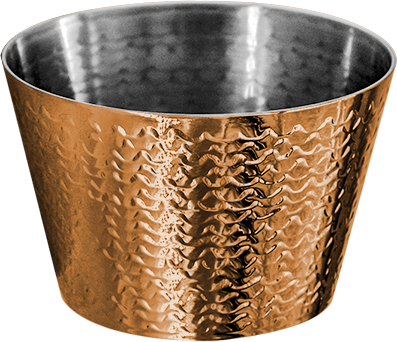
Ceramic and porcelain have long dominated traditional dining settings, but they present distinct operational vulnerabilities when compared to metal alternatives. The shift toward metal in high-volume settings is driven by practical necessity rather than just aesthetic preference.
The shatter-proof nature of stainless steel stands in stark contrast to the inherent fragility of ceramic and porcelain. Glaze degradation and chipping risks are constant threats with traditional ceramics, leading to frequent replacements to maintain a professional presentation. Metal alternatives completely eliminate the risk of shattering upon impact. Dropping a metal platter during a busy rush results in a loud noise, but dropping a porcelain platter results in lost food, broken glass hazards, and immediate replacement costs.
Stainless steel plates and platters are significantly lighter and thinner than their ceramic equivalents. This structural advantage allows for more pieces per stack, drastically reducing shelf space requirements. The reduced weight also minimizes physical strain on dishwashing and service staff during high-volume shifts. Kitchens with limited square footage benefit immensely from the compact storage capabilities of metal serveware.
Both materials interact differently with temperature. Stainless steel exhibits rapid heat transfer, allowing for quick chilling for cold presentations like seafood towers. However, this rapid transfer requires careful handling when serving hot foods. Porcelain retains heat longer but takes more time to reach the desired temperature in a warming cabinet. Operators must train staff on proper handling techniques when using metal for hot dishes to prevent burns.
The acoustic dynamics of dining change with material selection. Guests using metal cutlery on metal plates may create scraping noises, unlike the softer clink associated with porcelain. Additionally, tactile comfort plays a role; the rapid temperature transfer of metal can affect the guest experience if lips or hands touch the rims of hot bowls. Menu design should account for these sensory differences, perhaps reserving metal for shared platters or cold appetizers where heavy knife work is unnecessary.
Porcelain carries traditional dining expectations, often associated with classic fine dining. Stainless steel offers a modern, industrial, or rustic-industrial appeal. Operators must align the material's aesthetic with the venue's brand, utilizing creative plating to maximize the visual impact of metal surfaces. Mixing metal with wood or slate can soften the industrial look and create a balanced, contemporary table setting.
Melamine is frequently chosen for its low weight and shatter resistance, but it introduces severe limitations in high-heat and intensive-use scenarios. While it mimics the look of ceramic, its performance under stress reveals significant flaws.
Melamine is highly susceptible to blistering, warping, and potential chemical leaching under high heat or microwave use. It cannot be placed under heat lamps or salamanders. In contrast, stainless steel offers absolute thermal resilience, transitioning seamlessly from freezing temperatures to high-heat environments without structural compromise. You can place a metal platter directly under a broiler to melt cheese; doing the same with melamine will destroy the plate and ruin the food.
Plastics and melamine develop micro-scratches over time from serrated knives and heavy scrubbing. These abrasions dull the finish and create microscopic harbors for bacteria. Metal maintains its structural and sanitary integrity, resisting deep gouges and remaining easy to sanitize even after years of service. Once melamine loses its glossy protective layer, it becomes a liability for food safety and must be discarded.
Commercial melamine production relies on petroleum-based processes, resulting in non-biodegradable and non-recyclable end products. Once damaged, melamine goes straight to the landfill. Stainless steel dinner sets boast high recyclability, an infinitely circular lifecycle, and a significantly lower amortized carbon footprint over decades of use. Facilities aiming for zero-waste or green certifications find metal to be the only viable long-term option.
Wood and glass offer unique aesthetic benefits but introduce significant operational and safety challenges in demanding environments. Their use is often restricted to highly specific, low-risk applications.
Wooden serveware absorbs oils and moisture, making it prone to harboring foodborne pathogens. Wood requires tedious manual washing, oiling, and air-drying, as it cannot withstand commercial dishwashers. Metal provides a completely non-porous, commercial-dishwasher-safe surface that guarantees sanitation without specialized labor. Health inspectors heavily scrutinize wooden boards for deep knife cuts, whereas metal platters pass inspection effortlessly.
Glass presents severe physical hazards and liability issues due to breakage, especially in high-traffic dining environments, pool-side service, or outdoor venues. Shatter-resistant metal eliminates the risk of broken glass contaminating food areas or injuring guests, drastically reducing liability. For outdoor catering or patio service, metal is the safest choice for maintaining an upscale look without the danger of shattered glass on concrete.
Confusion often arises between materials meant for back-of-house cooking and front-of-house serving. Understanding the distinction prevents costly purchasing errors.
Carbon steel is frequently compared to stainless steel in the context of cookware, such as skillets and woks, due to its seasoning capabilities, heat distribution, and high-heat tolerance. However, carbon steel is entirely unsuitable for serveware. It is highly vulnerable to rust, requires constant oiling and maintenance, and lacks the refined, polished aesthetic necessary for guest-facing presentations. Serveware must withstand commercial dishwashers without rusting, a requirement carbon steel cannot meet.
Not all metal alloys perform equally. Selecting the correct grade and finish determines the longevity and visual maintenance of the pieces. Purchasing cheap metal often leads to rust and pitting within months.
The 300 series is defined by its chromium and nickel composition. The numbers 18/8 and 18/10 represent the percentages of chromium and nickel, respectively. The 18/10 grade offers superior corrosion resistance, rust prevention, and a brighter polish. This makes it the premier industry standard for high-end, durable presentations. The higher nickel content provides the silver-like luster that elevates the dining experience.
Budget-tier alternatives include the 200 and 400 series. The 200 series uses manganese instead of nickel, while the 400 series contains no nickel at all. This lack of nickel reduces upfront costs but significantly increases susceptibility to rust, pitting, and corrosion over time, particularly when exposed to acidic foods like tomatoes or citrus. Investing in 400 series for a high-volume restaurant usually results in rapid degradation and forced replacement.
| Finish Type | Visual Characteristic | Maintenance Level | Best Use Case |
|---|---|---|---|
| Mirror Polish | Brilliant, highly reflective, upscale appearance. | High (shows fingerprints and water spots easily). | Formal dining, display pieces, low-touch service. |
| Satin/Brushed | Matte, textured, modern aesthetic. | Low (masks scratches and smudges effectively). | High-volume service, casual dining, heavy cutlery use. |
| Hammered | Dimpled, rustic, catches light dynamically. | Medium (hides scratches but requires thorough washing). | Buffets, shared platters, thematic presentations. |
Integrating metal pieces into a service flow requires specific strategies to maximize benefits and minimize drawbacks. Proper training and handling protocols ensure the material performs as expected.
Mirror finishes demand efficient back-of-house polishing protocols. Utilizing specific commercial rinse aids in the dishwasher helps water sheet off the metal, preventing spots. Selecting textured or brushed finishes is the most effective way to minimize labor-intensive maintenance and keep pieces looking clean during service. Staff should be trained to handle polished rims with a clean cloth during final plating.
Because metal transfers heat rapidly, serving hot soups or dishes requires safe handling strategies. Operators should utilize double-walled insulated designs, which keep the exterior cool to the touch. Alternatively, placing metal bowls on underplates (chargers) or selecting designs with designated heat-resistant grip zones protects both staff and guests. Warn guests when placing hot metal platters on the table.
To avoid a cold, cafeteria-like appearance, operators must employ creative plating and styling strategies. Mixing metal pieces with warm natural textures—such as linen napkins, slate boards, or ambient wood accents on the table—elevates the dining presentation. Contrast is key to making the metal look intentional and upscale. Use vibrant, colorful ingredients to pop against the silver background.
A: High-quality 300 series alloys like 18/8 or 18/10 are non-reactive and will not impart a metallic taste to food. Lower grades may react slightly with highly acidic foods over prolonged periods, but standard service durations rarely cause any flavor alteration.
A: Both numbers refer to the alloy's composition: 18% chromium and either 8% or 10% nickel. The 18/10 grade has slightly more nickel, providing enhanced corrosion resistance, better rust prevention, and a slightly brighter, more polished finish compared to 18/8.
A: Yes, provided you use 18/8 or 18/10 grades. These high-nickel alloys are highly resistant to corrosion and pitting from acidic foods like tomato sauce, vinegar, or citrus. Avoid using 400-series metal for acidic presentations to prevent surface degradation.
A: Use a high-quality commercial rinse aid in your dishwasher to help water sheet off the surface quickly. For fingerprints, handle polished pieces with gloves or a polishing cloth before serving. Opting for brushed or satin finishes significantly reduces the visibility of both spots and smudges.
A: It must never be used in a microwave, as the metal will cause arcing and damage the appliance. However, most single-wall metal plates and platters are perfectly safe for use in commercial ovens, warming cabinets, and under heat lamps.