


Views: 0 Author: Site Editor Publish Time: 2026-06-29 Origin: Site


Metallic finishes dominate commercial foodservice and high-end residential hosting environments. Operators and hosts are actively moving away from fragile ceramics, toxic melamines, and single-use plastics. Buyers face the challenge of balancing upfront procurement with long-term durability, food safety compliance, environmental footprint, and design aesthetics. Selecting the wrong material or an inferior metal grade results in rapid degradation, pitting, metallic taste leaching, and frequent replacement cycles.
Successfully integrating Stainless Steel Serveware requires a technical understanding of metal grades, construction methods like double-wall insulation, maintenance realities, and lifecycle return on investment. Understanding these metallurgical and structural factors ensures you select pieces that withstand rigorous daily use while maintaining their visual appeal and structural integrity across thousands of service cycles.
Separating true food-safe stainless steel from cheap, reactive metal alloys prevents operational failures. Inferior metals rust, pit, and degrade under heavy use or aggressive cleaning protocols. High-quality stainless steel relies on specific metallurgical properties to ensure safety, longevity, and resistance to the harsh chemicals used in commercial dishwashing systems.
Chromium acts as the foundational element in stainless steel. A minimum of 10.5% chromium is required to create a self-healing passive layer. This microscopic chromium oxide layer prevents rust and corrosion by blocking oxygen from reaching the underlying iron. If the surface is scratched, this layer instantly reforms in the presence of oxygen. Nickel enhances structural integrity, improves overall corrosion resistance, and provides a polished, silver-like luster. The specific combination of these elements dictates the grade, performance, and application suitability of the metal.
Operators typically evaluate several primary formats of metal serveware based on front-of-house needs:
Stainless steel provides distinct operational advantages that make it the preferred choice across diverse dining environments. Its combination of structural strength, thermal management, and aesthetic adaptability delivers measurable value to food and beverage programs.
Stainless steel is inherently shatterproof, warp-resistant, and chip-proof. When analyzing the lifespan over a multi-year period against breakable alternatives like porcelain, glass, or standard melamine, stainless steel consistently proves more economical. The material survives drops onto concrete floors, aggressive stacking in bus tubs, and the thermal shock of moving directly from a walk-in cooler to a hot dishwashing cycle.
While single-wall construction serves basic needs, double-wall vacuum insulation fundamentally changes temperature management. This construction keeps hot foods hot and cold foods cold without transferring the internal temperature to the exterior surface. This prevents condensation on chilled display bowls, protecting expensive wood tables and maintaining pristine presentation standards. Furthermore, the non-porous surface structure prevents bacterial harboring and cross-contamination, a critical factor for health inspection compliance.
The push toward zero-waste, plastic-free kitchens aligns perfectly with stainless steel implementation. High-grade stainless steel is 100% recyclable and chemical-free. It contains no BPA, phthalates, or heavy metals. Unlike plastics, it does not leach chemicals or microplastics into food, even when exposed to high heat under heat lamps or when holding highly acidic foods like tomato sauces and citrus vinaigrettes.
Brushed, matte, hammered, and mirror-polished finishes align with contemporary, industrial, and modern minimalist branding. The residential dinner party trend increasingly incorporates industrial stainless steel accent pieces alongside organic ceramics to create a curated, high-contrast tablescape. Consumers psychologically associate heavy-weight stainless steel with premium, hygienic quality, elevating the perceived value of the food being served.
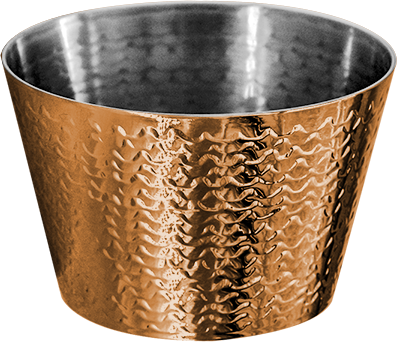
With over 150 grades of stainless steel available, focusing on the specific alloys relevant to foodservice and consumer serveware is essential for making informed procurement decisions. Selecting the wrong grade leads to rapid equipment failure.
The 300 series, specifically Type 304, features an 18% chromium and 8% or 10% nickel composition. This series stands as the optimal choice for high-acid foods like tomatoes, citrus, and dressings. It offers maximum long-term corrosion resistance and maintains a brilliant finish even after thousands of commercial wash cycles. The high nickel content provides a bright, silver-like appearance that resists dulling.
The 400 series contains 18% chromium but 0% nickel. This lack of nickel makes the metal magnetic, harder, and generally less expensive to produce. It is best suited for dry foods, fast-casual environments, magnetic retrieval systems, and budget-conscious procurement where exposure to acidic foods is strictly limited. Because it lacks nickel, it is more prone to staining and requires more diligent drying protocols.
In the 200 series, manganese is substituted for nickel to lower production costs. This substitution significantly increases susceptibility to rust and pitting. The result is a shorter operational lifespan, especially in high-moisture or high-salinity environments. Operators should avoid 200 series metals for any application involving long-term food contact or exposure to harsh cleaning chemicals.
| Steel Grade | Composition (Cr/Ni) | Magnetic | Corrosion Resistance | Best Application |
|---|---|---|---|---|
| 304 (300 Series) | 18/8 or 18/10 | No | Excellent | High-acid foods, premium buffets, wet environments |
| 430 (400 Series) | 18/0 | Yes | Moderate | Dry goods, magnetic retrieval systems, flatware |
| 201 (200 Series) | Low Ni, High Mn | No | Low | Budget applications, non-food contact surfaces |
Comparing stainless steel to other common materials clarifies its specific advantages and limitations in various serving scenarios. Understanding these trade-offs allows operators to deploy the right material for the right application.
Stainless steel is significantly lighter, completely shatterproof, and safer for high-speed stacking compared to ceramic and porcelain. This drastically reduces replacement rates and eliminates the risk of chipped ceramic shards contaminating food. However, ceramic remains superior for microwave compatibility and traditional formal fine-dining aesthetics where heavy, glazed plates are expected.
Stainless steel offers superior scratch resistance and will not stain from foods like tomato sauce or turmeric, unlike polycarbonate and melamine. It withstands chemical degradation over time under commercial sanitization. Guests perceive substantial metal as premium compared to lightweight plastic. Furthermore, stainless steel eliminates safety concerns surrounding plastic micro-shedding, surface blistering, and chemical leaching under high heat.
Proper maintenance maximizes the lifespan and appearance of stainless steel serveware. Understanding potential risks and implementing strict handling protocols ensures long-term performance and protects the initial investment.
High-mirror finishes inevitably show fingerprints, water spots, and micro-scratching from daily handling and stacking. For high-touch, high-volume environments, brushed, satin, or hammered finishes are strongly recommended. These textured finishes mask daily wear, hide fingerprints, and significantly reduce the labor costs associated with constant polishing during service.
Strict dishwashing protocols prevent surface degradation. Kitchen staff must avoid chlorine-based sanitizers, bleach, and prolonged exposure to hard water, salt, or high-acid food residues. Immediate drying procedures are vital to maintain and preserve the chromium oxide passive layer. Allowing water to air-dry on the surface leads to mineral deposits and eventual pitting.
Poorly sealed double-wall construction allows water to seep between the layers during washing. This leads to internal mold growth, loss of thermal insulation, or structural failure as the trapped water expands during heating. Always verify weld quality and look for seamless construction when purchasing insulated pieces.
Audit your current breakage costs to understand the potential savings of switching to shatterproof materials. Request material specification sheets from manufacturers to verify exact metal grades before committing to a large order. Order physical samples to test weight, heat-retention capabilities, and finish appearance in your specific dining room lighting environment.
A: Yes. High-quality stainless steel handles high temperatures safely without warping or melting. Double-wall insulation options keep food hot while keeping the exterior safe to touch, preventing staff and guest burns during service.
A: The numbers represent the percentages of chromium and nickel. 18/8 has 8% nickel, while 18/10 has 10%. The higher nickel content in 18/10 provides slightly better rust resistance, a brighter shine, and greater structural density.
A: No. Metal reflects microwaves, causing arcing and sparks. This poses a severe fire hazard and will permanently damage the microwave appliance.
A: Use dilute white vinegar or a baking soda paste applied with a soft cloth, rubbing in the direction of the metal grain. Specialized commercial microfiber cloths also effectively remove fingerprints without scratching the surface.
A: High-quality, non-reactive 300-series steel will not alter taste. However, lower grades or damaged alloys might react with highly acidic foods like tomatoes or citrus, causing a metallic off-flavor.
A: The simplest test is using a magnet. The 400 series is magnetic due to the lack of nickel, whereas the 300 series is generally non-magnetic or only very weakly magnetic.